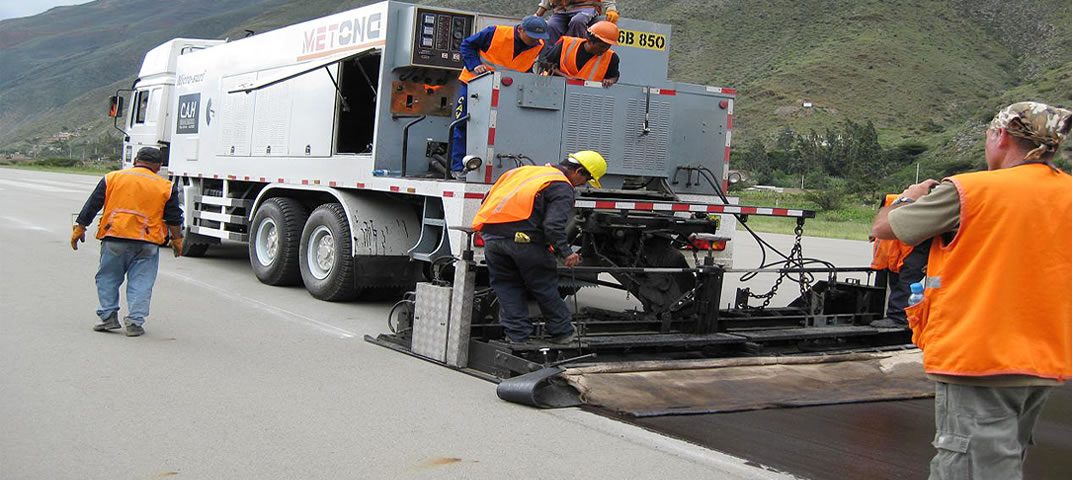
Airfield pavements are specified tighter than highways: strict mix tolerances, tight joint geometry, and a closure window measured in hours.
Runway and taxiway work tolerates very little variation. Mix temperature, binder content and joint density are all inspected, and the acceptance criteria are usually written around the aerodrome's own manual rather than a highway standard. That pushes the requirement back into the plant: batching accuracy, aggregate moisture control and a burner that holds temperature without overshooting.
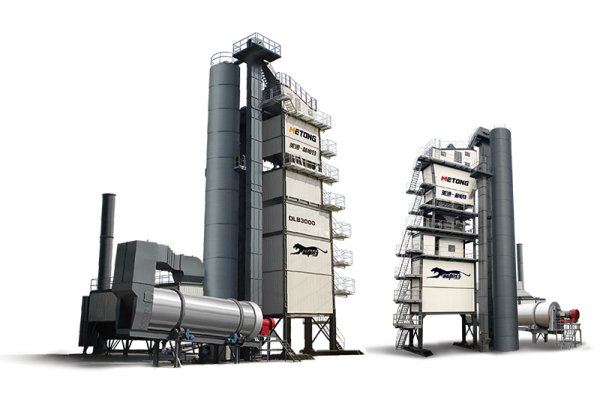
Metong batch plants are specified for airfield work with the environmental package included — enclosed screening, ducted dust collection, and emission concentration inside the limits that airport authorities apply to on-site plant.
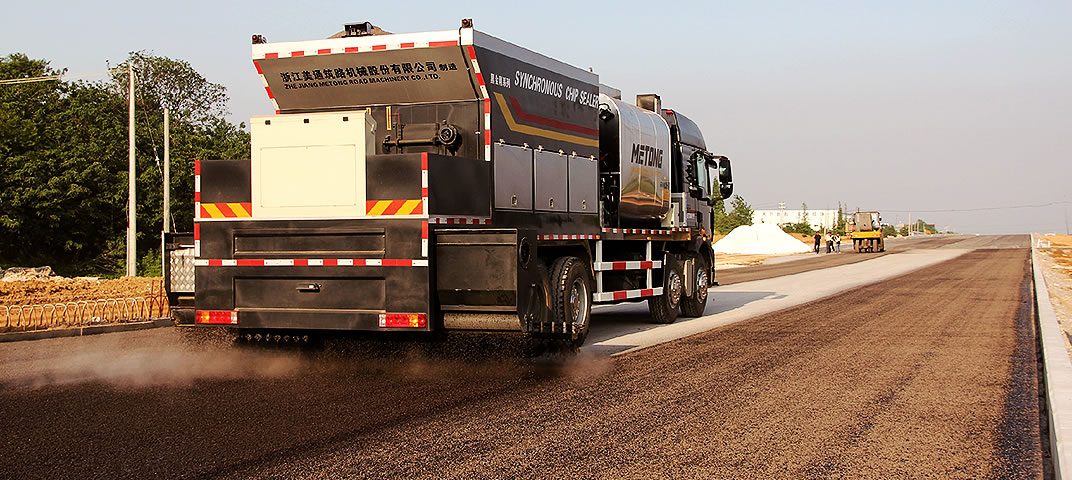
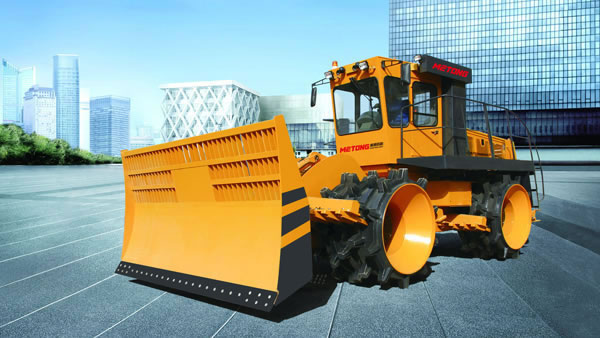
For surface work, the same spread used on highways applies at smaller scale: distributors for tack and fog seals, micro-surfacing for friction restoration on aprons, and tandem and tyre rollers for joint density where a joint is what fails first.
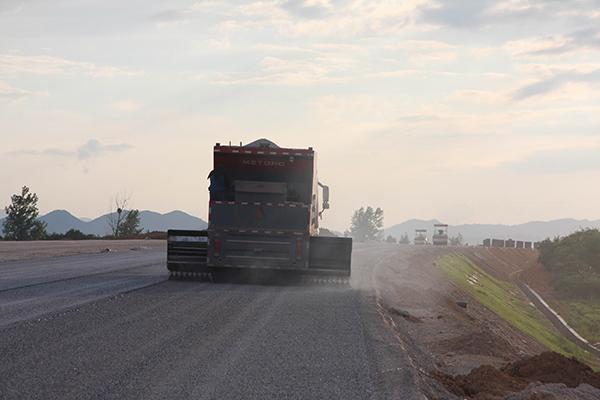
Airports & Airfields — field photograph
160 t/h batch plant with enclosed screening and dust emission under 20 mg/Nm³.
DLB2000Details →
120 t/h compact batch plant with multi-function connectors for recycling add-ons.
DLB-1500Details →
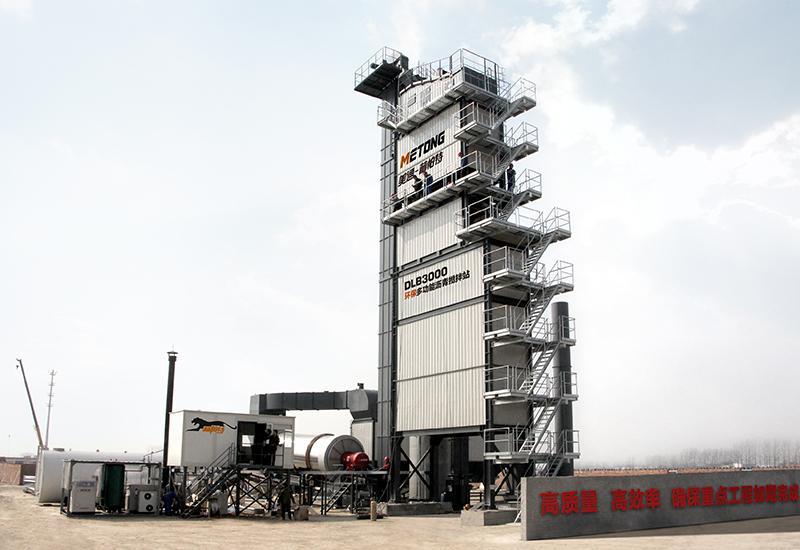
240 t/h modular batch plant with 3000 kg/batch mixer and baghouse dust control.
DLB3000 / DLB3000D / DLB3000HDetails →
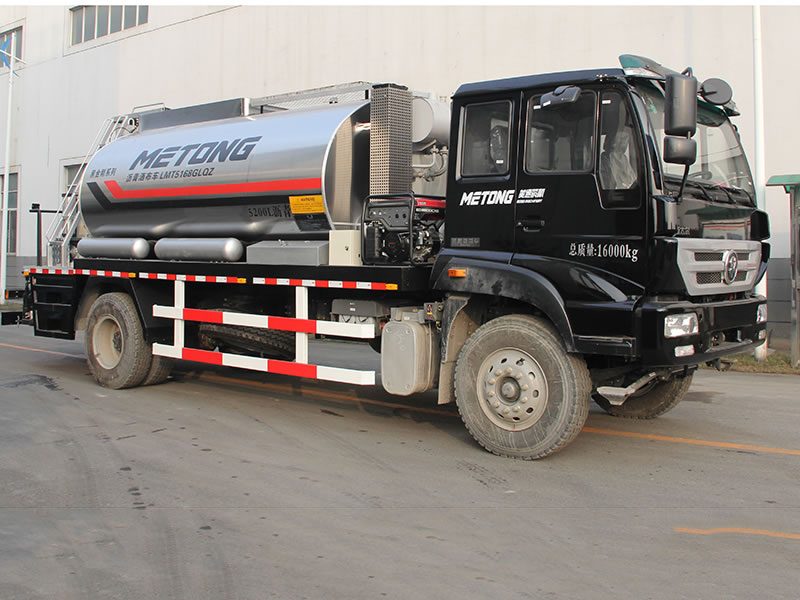
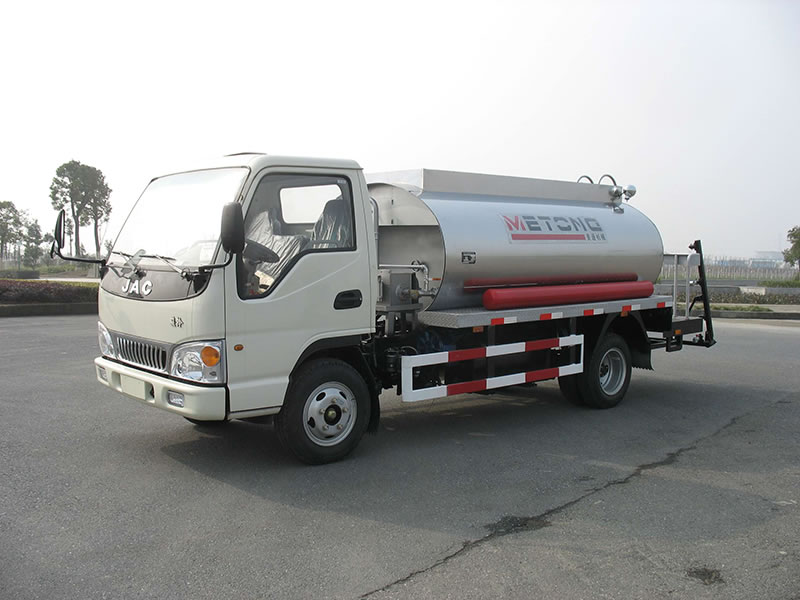
Truck-mounted distributor for controlled binder application, spray-bar work and surface-treatment preparation.
LMT5162GLQDetails →
Fixed-value spray bar with automatic nozzle control for predictable application rates.
LMT5251GLQDetails →
Hand-lance sprayer for patching, tack coats and work where a full spray bar will not fit.
LMT5162GLQDetails →Send the application, the material and the output you need. You will get a configuration proposal with capacity, chassis options and delivery window — not a catalogue page.