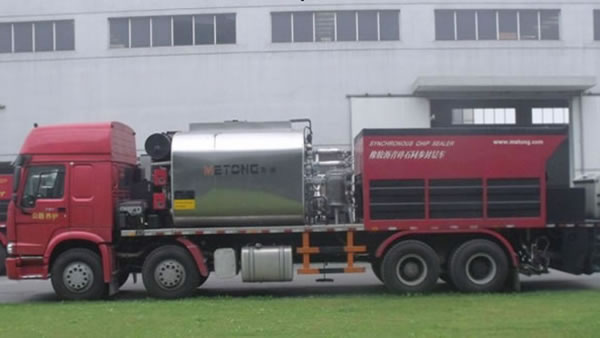
Intelligent tri-axle sealer that sprays binder and aggregate in one pass under closed-loop control.
LMT5312TFCDetails →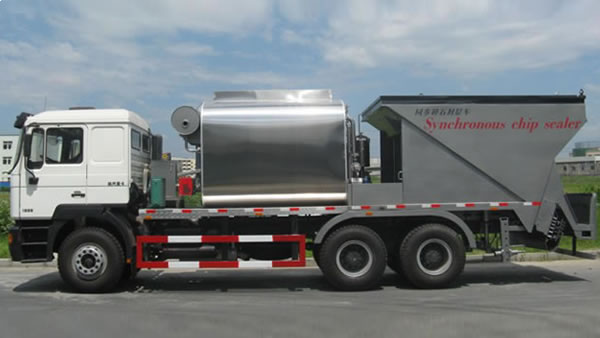
Six-wheel-drive synchronous sealer with touchscreen control and video monitoring of the spray bar.
LMT5250TFCDetails →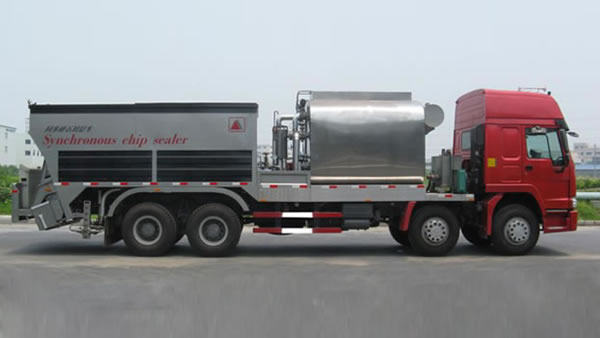
Established synchronous sealer developed with Chang'an University for mainline surface sealing.
LMT5311TFCDetails →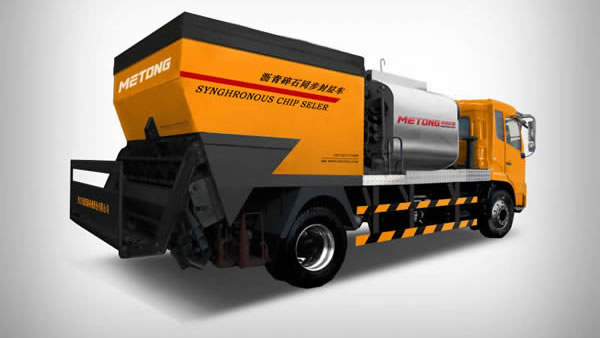
Compact two-axle sealer for municipal roads, rural highways and access roads.
LMT5160TFCTDetails →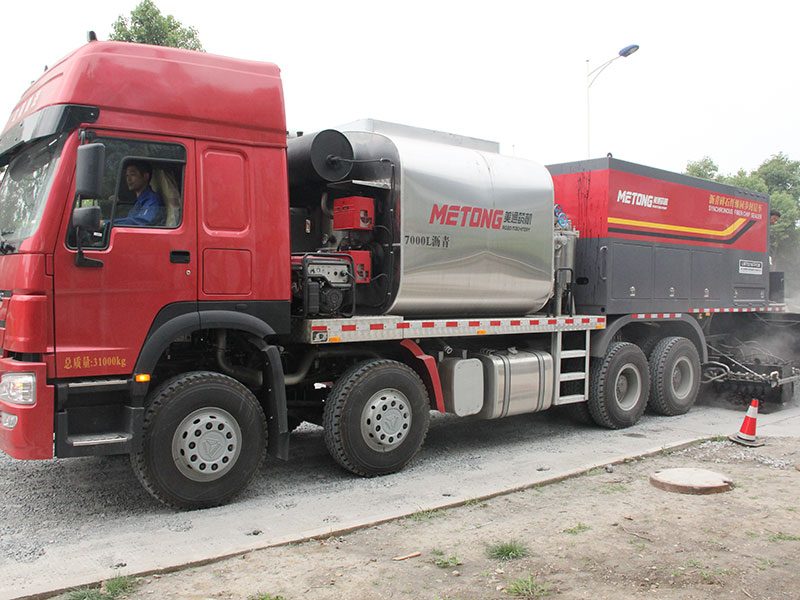
Binder, fibre and aggregate in one pass, for stress-absorbing layers and high-wear surfaces.
LMT5316TFCWDetails →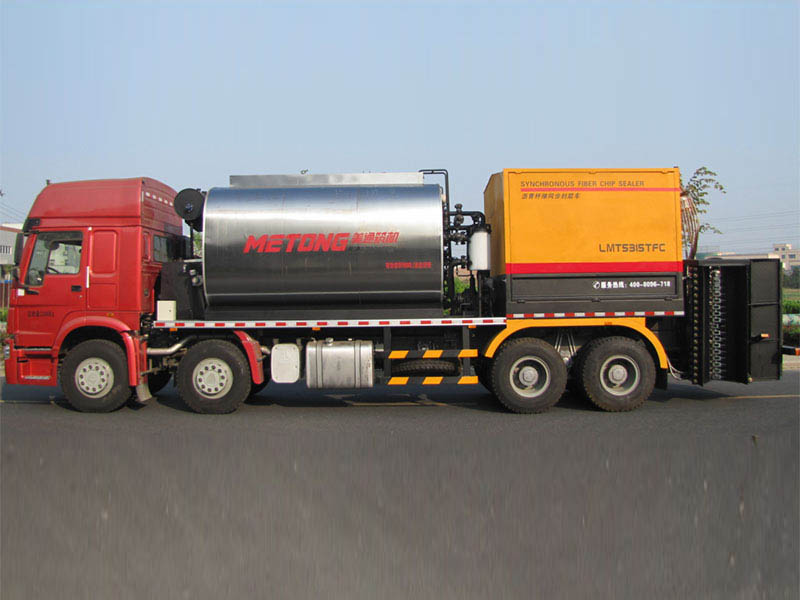
Emulsion and chopped glass fibre sprayed together to form a reinforced tack coat.
LMT5315TFCWDetails →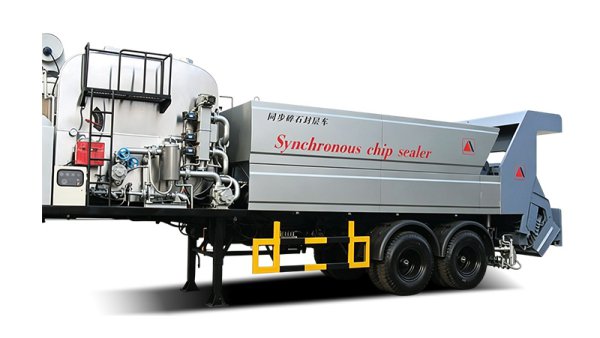
Trailer-mounted synchronous binder sprayer and chipping spreader with 6 m³ tank and 12 m³ hopper.
LMT9350TFCDetails →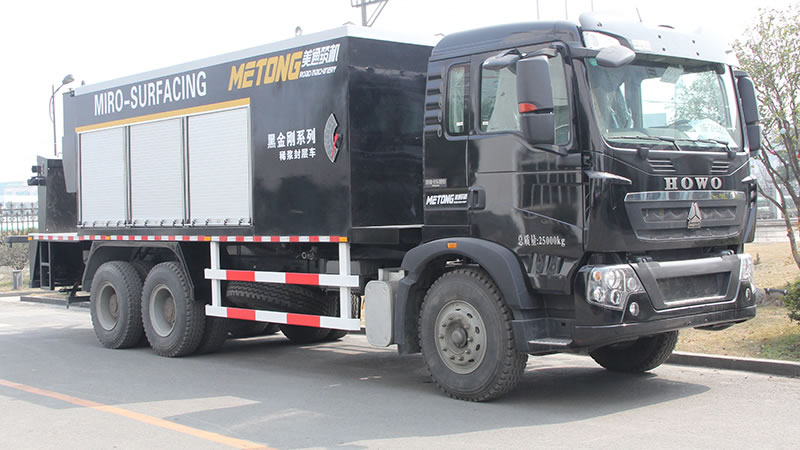
Tri-axle micro-surfacing paver for rut filling, surface restoration and preventive sealing.
LMT5310TXFDetails →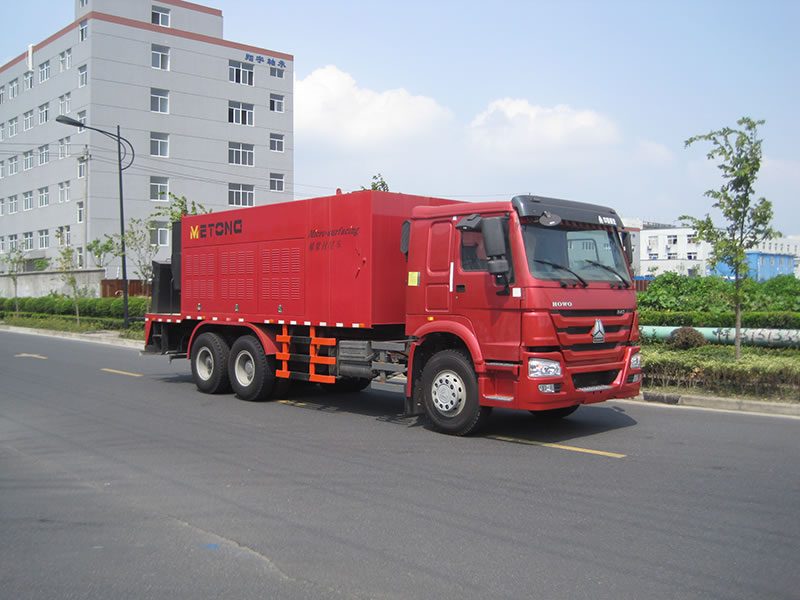
Continuous-feed micro-surfacing unit with independent hydraulic circuits for each material.
LMT5255TXFDetails →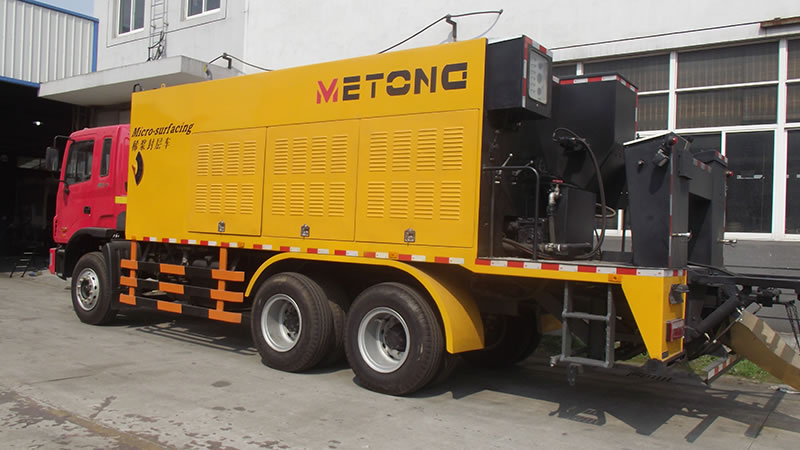
Slurry seal truck with corrosion-resistant tanks and rear-station speed control.
LMT5256TXFDetails →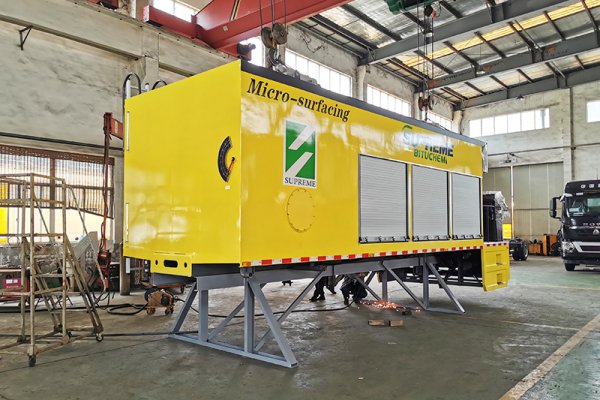
Chassis-free slurry and micro-surfacing trailer with Cummins power, 4000 L emulsion tank and 12 m3 hopper.
Trailer UnitDetails →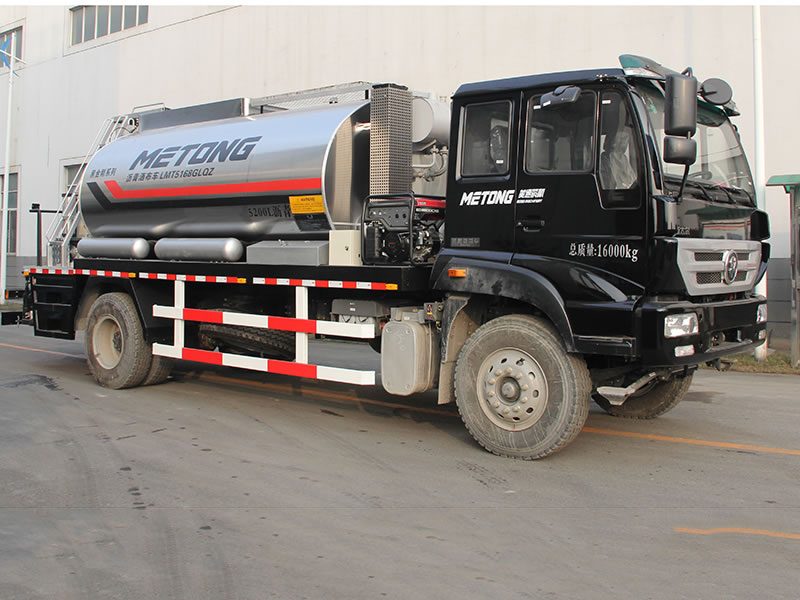
Truck-mounted distributor for controlled binder application, spray-bar work and surface-treatment preparation.
LMT5162GLQDetails →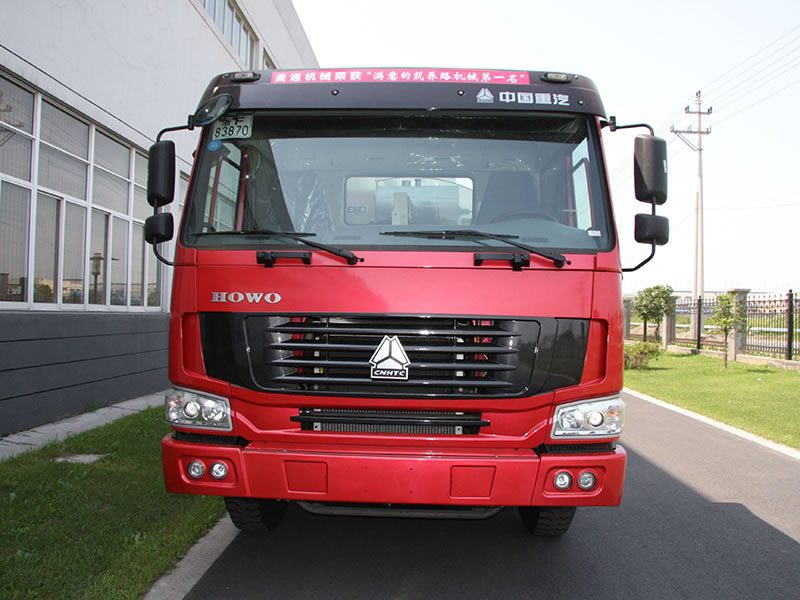
Fixed-value spray bar with automatic nozzle control for predictable application rates.
LMT5251GLQDetails →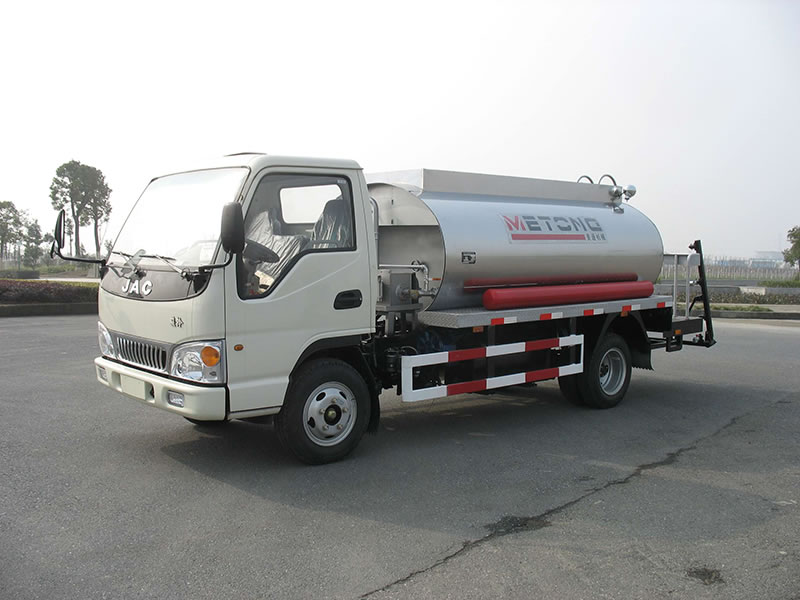
Hand-lance sprayer for patching, tack coats and work where a full spray bar will not fit.
LMT5162GLQDetails →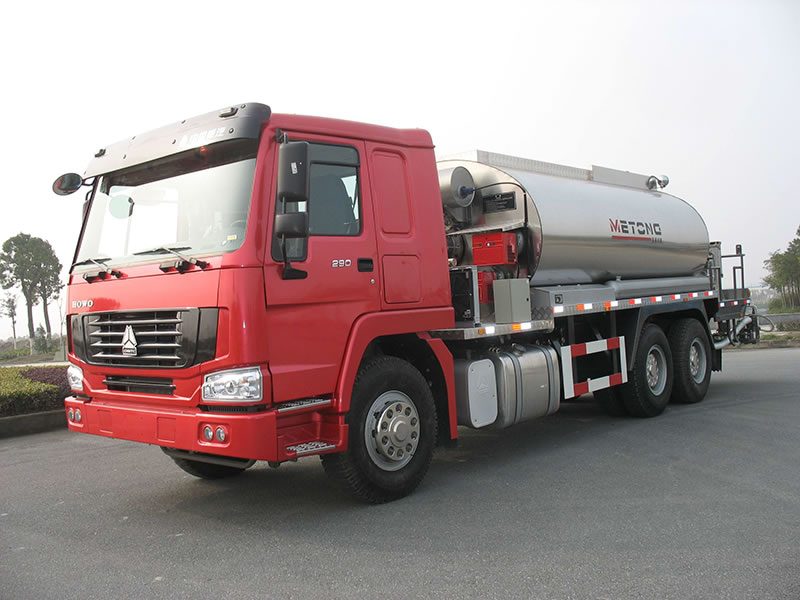
Heavy distributor with agitated tank and heated lines for crumb-rubber and modified binders.
LMT5251GLQDetails →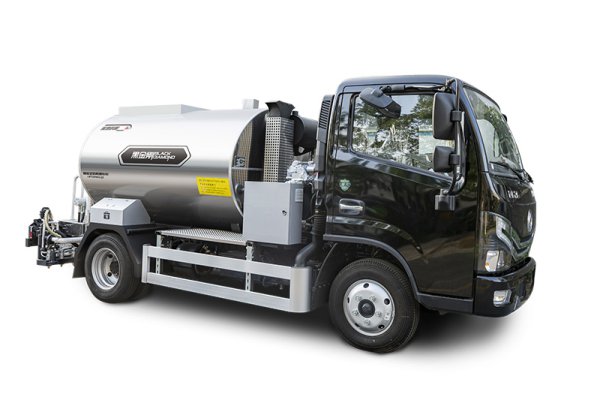
Two compact hydraulic sprayers for municipal and local-road binder distribution.
LMZ5096GLQ / LMZ5127GLQDetails →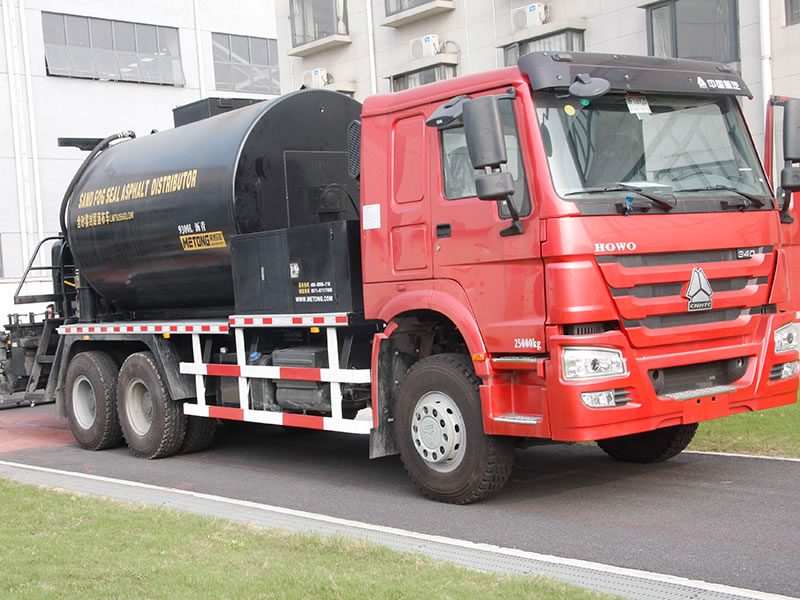
Antiskid fog-sealing distributor with fine-atomising nozzles for emulsion surface coats.
LMT5255GLQWDetails →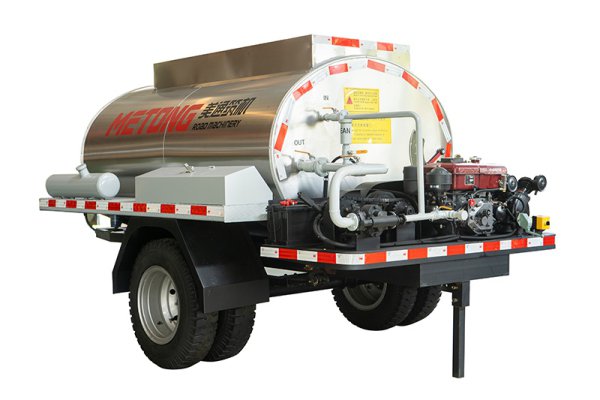
Towable bitumen sprayer with 1000 or 2000 L tank, pump heating and compressed-air purge.
LSB1000 / LSB2000Details →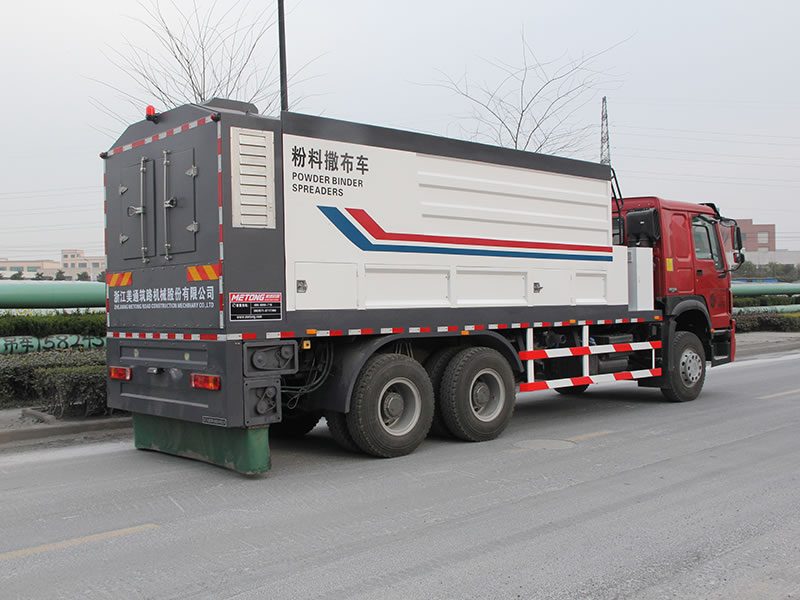
Cement, lime and fly-ash spreader for cold recycling and roadbed stabilization.
LMT5250FSBDetails →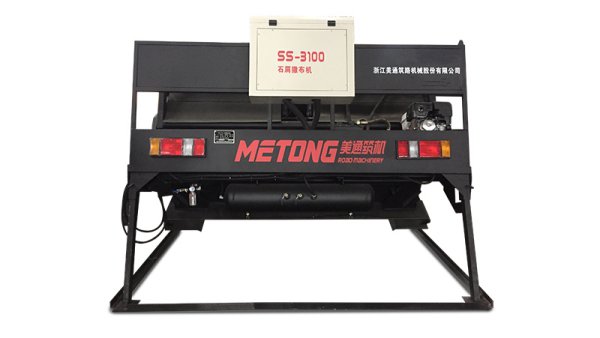
Gravity-fed aggregate spreader for seal coats and surface treatment, up to 3.5 m working width.
SS-3100 / SS-3500Details →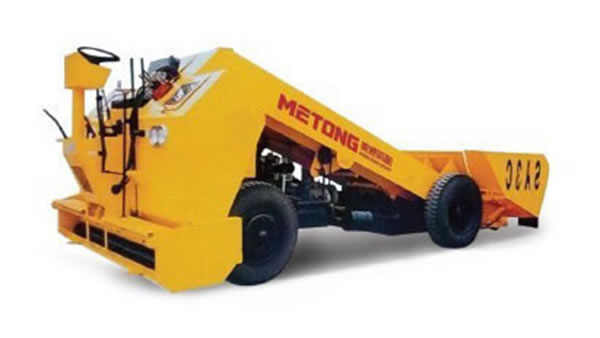
Self-propelled chip spreader with hydraulic-mechanical control and full operator visibility.
SA3C1Details →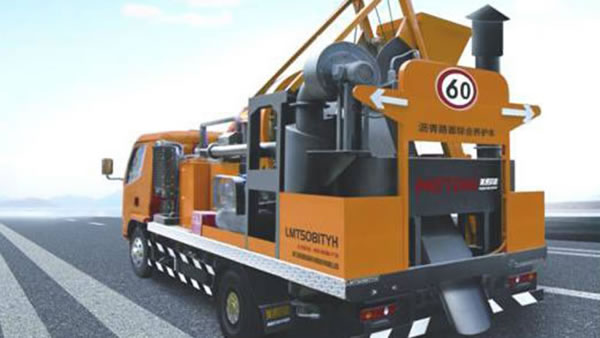
Crack sealing and patching body on a light chassis, with heated tank and tool storage.
LMT5081TYHDetails →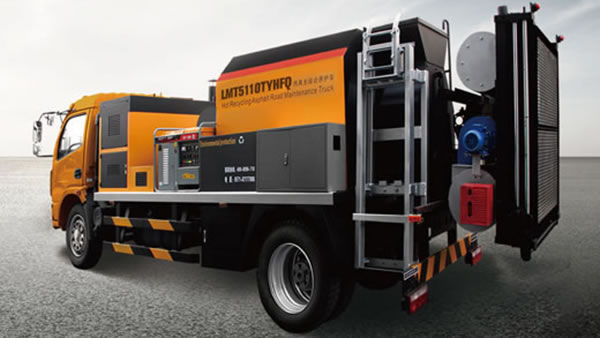
Recycles milled asphalt in the unit and lays it hot, closing potholes with plant-grade material.
LMT5110TYHFQDetails →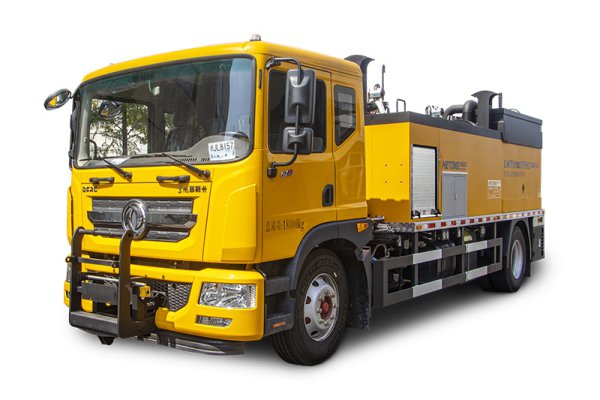
Dongfeng 4×2 patch trucks with onboard mixing and 3-8 t/h production for on-site pavement repair.
LMT5141TYHZ / LMT5180TYHZDetails →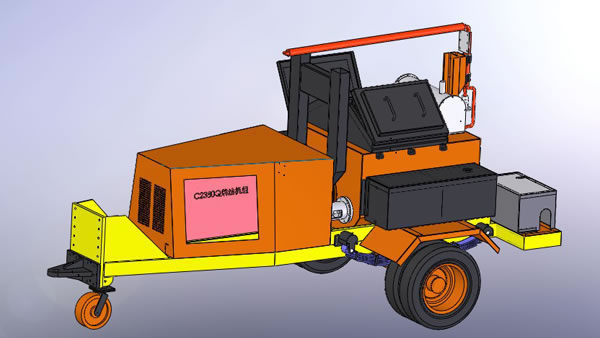
Walk-behind and truck-mounted crack routers and sealers for joint and crack maintenance.
Specification on requestDetails →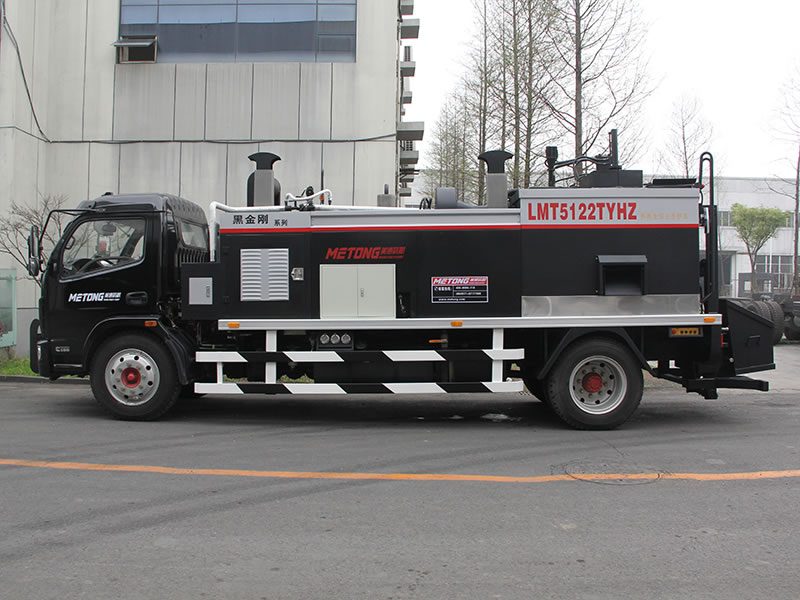
Infrared heaters that soften existing pavement so repairs fuse with the surrounding surface.
LMT5120TYHZDetails →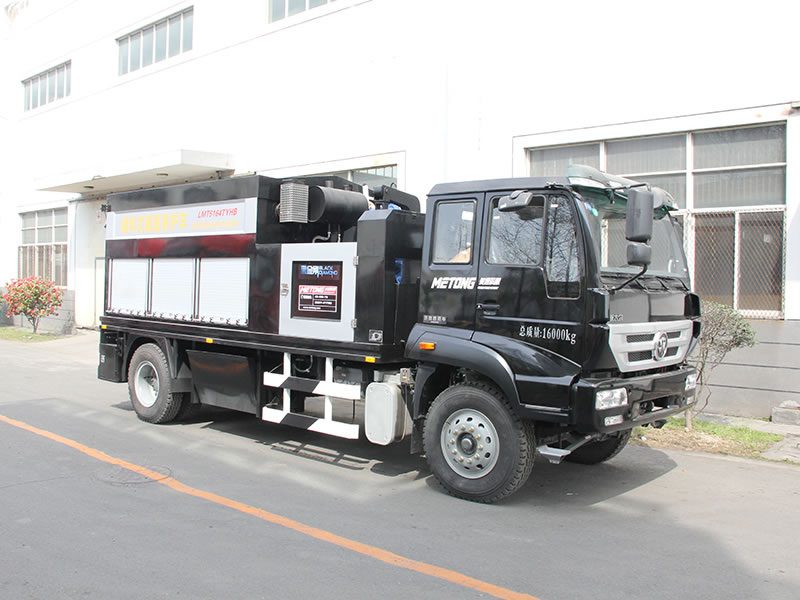
Insulated hot-mix body that holds temperature from plant to the paver.
LMT5250TYHBDetails →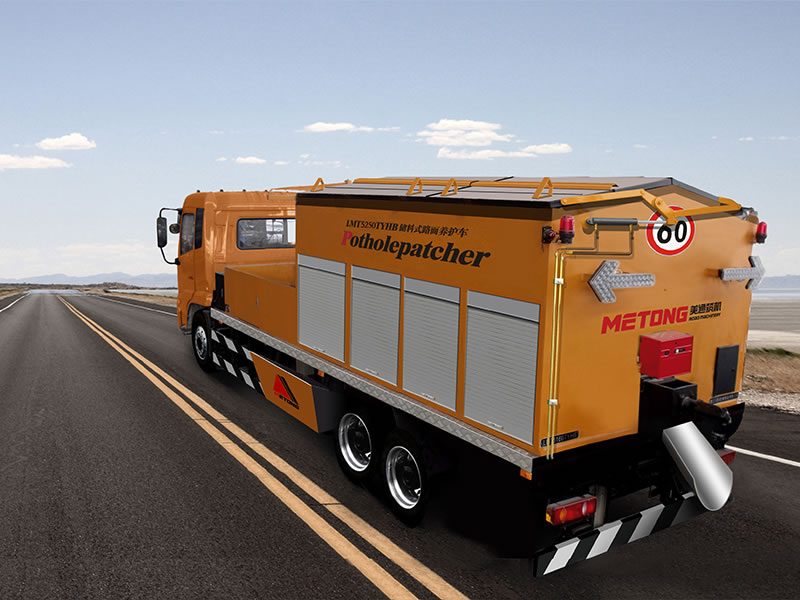
Smaller insulated transporter for municipal crews and night patching.
LMT5160TYHBDetails →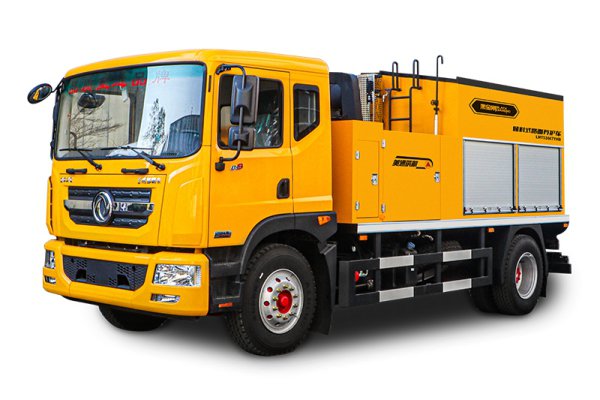
Compact 4.5 m3 insulated hot-mix repair truck with hydraulic auger discharge.
LMT5120TYHBDetails →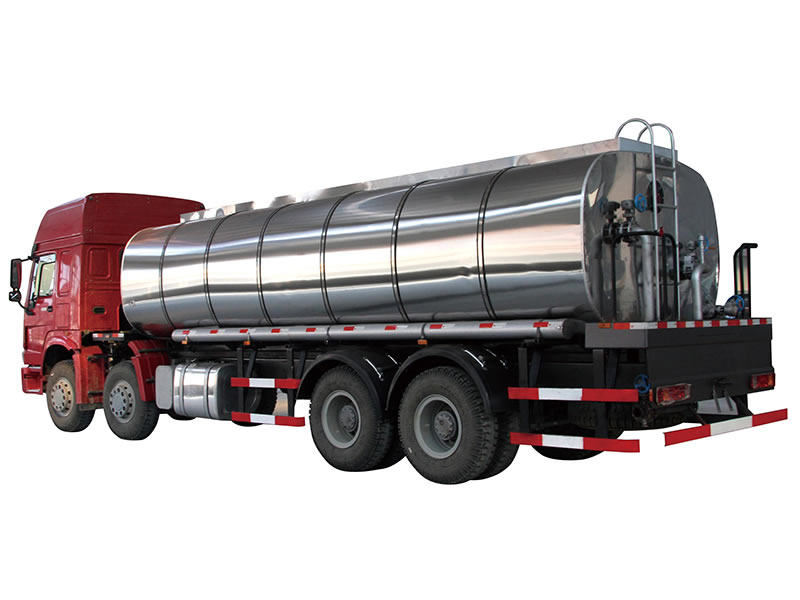
Heated, insulated tri-axle tanker with hydraulic discharge pump for long-distance binder delivery.
LMT5312GLQWDetails →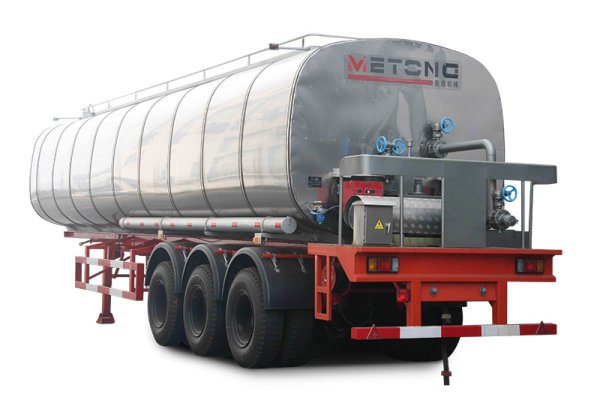
Insulated heated trailers from 20,000 to 45,000 L, plus previous-generation 25 and 30 m³ transport-tank models.
LMT9200GLB / LMT9250GLB / LMT9230GLB / LMT9350GLB / LMT9450GLBDetails →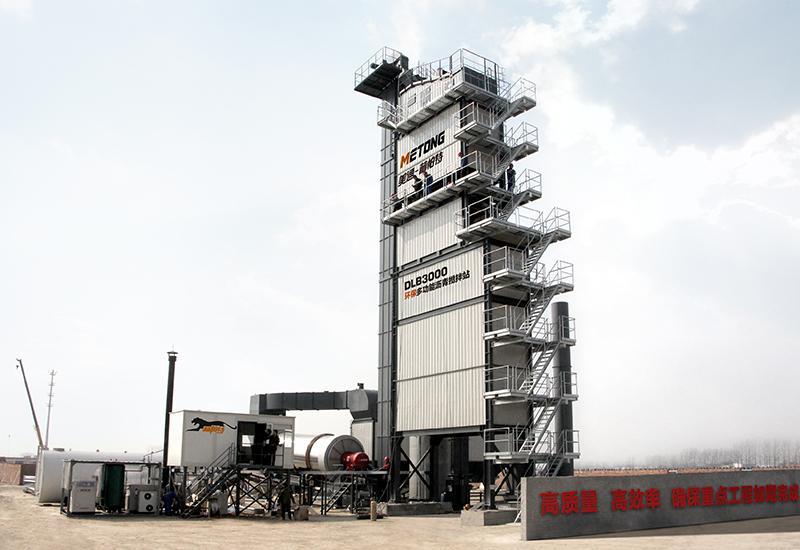
160 t/h batch plant with enclosed screening and dust emission under 20 mg/Nm³.
DLB2000Details →120 t/h compact batch plant with multi-function connectors for recycling add-ons.
DLB-1500Details →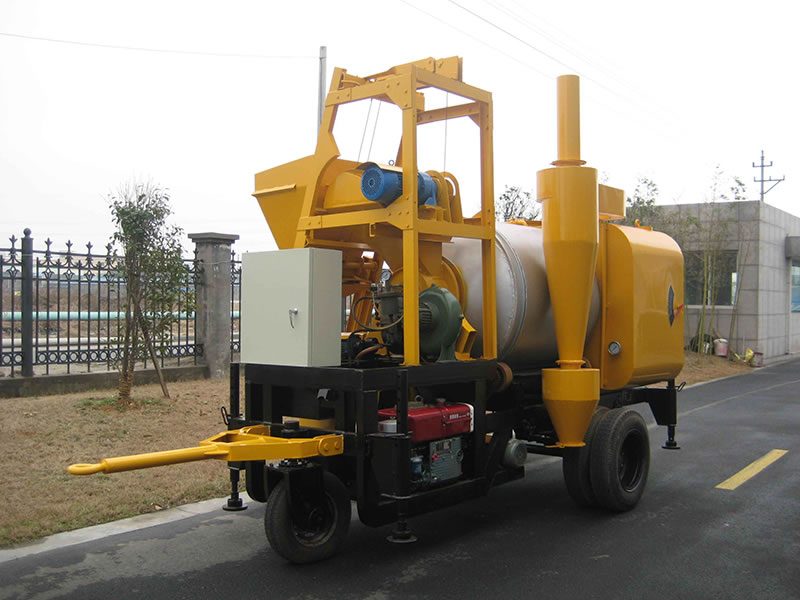
Standalone twin-shaft mixer for depots adding batch capacity without a new tower.
Specification on requestDetails →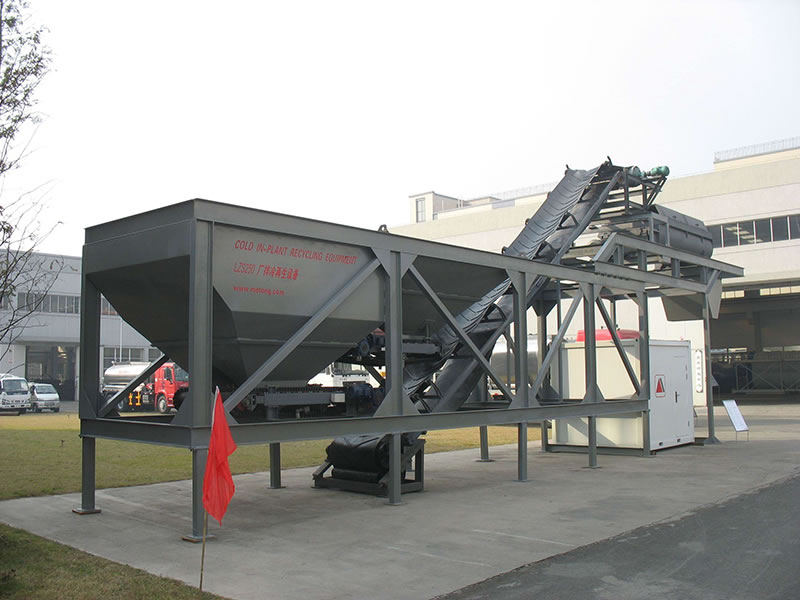
Add-on module that returns reclaimed asphalt into the mix at the plant.
LZS250Details →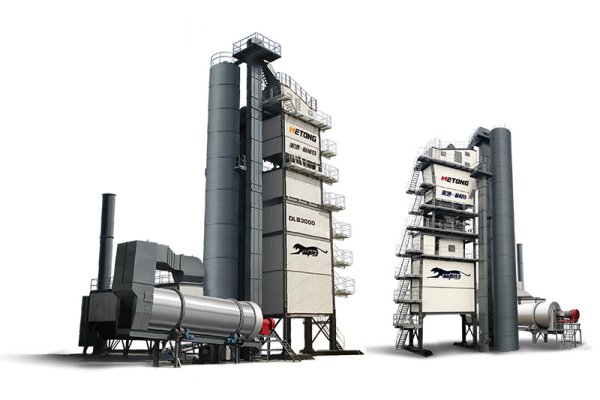
Add-on RAP unit for compatible batch plants, supporting up to 50% reclaimed-asphalt addition.
MTRA120 / MTRA160Details →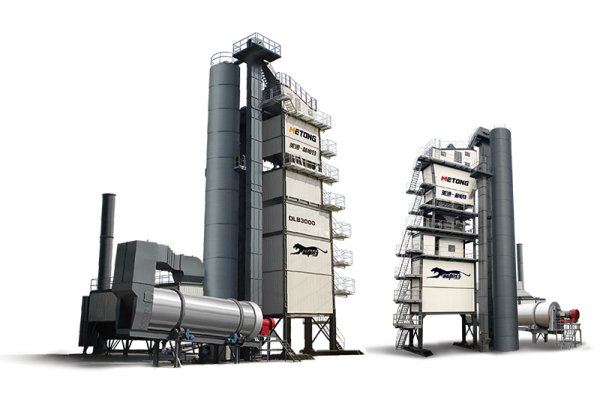
240 t/h modular batch plant with 3000 kg/batch mixer and baghouse dust control.
DLB3000 / DLB3000D / DLB3000HDetails →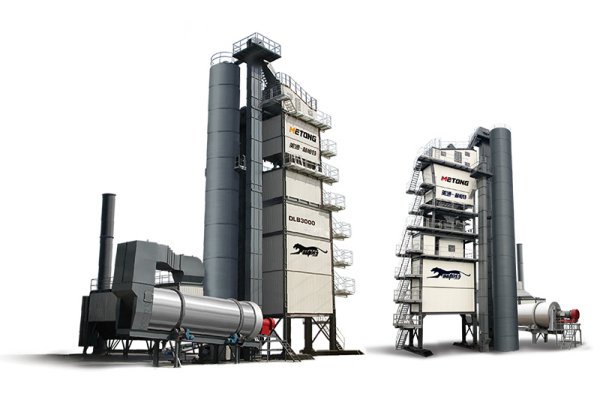
320 t/h high-capacity batch plant with 4300 kg/batch mixer and six cold feed bins.
DLB4000 / DLB4000D / DLB4000HDetails →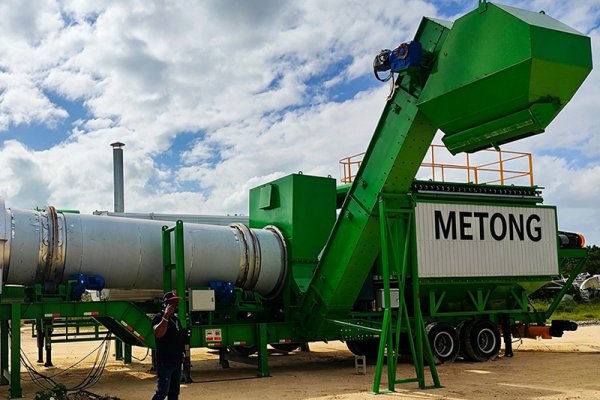
Foldable mobile drum plant range from 60 to 320 t/h for relocatable paving projects.
C60M60–C60M320Details →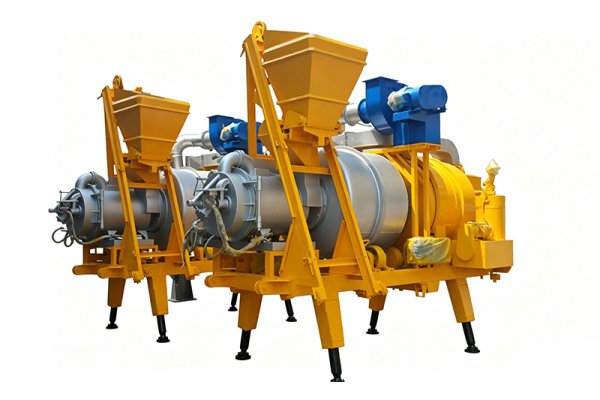
Trailer-mounted forced mixer at 20 or 30 t/h for maintenance and small-scale asphalt production.
QCS-20 / QCS-30Details →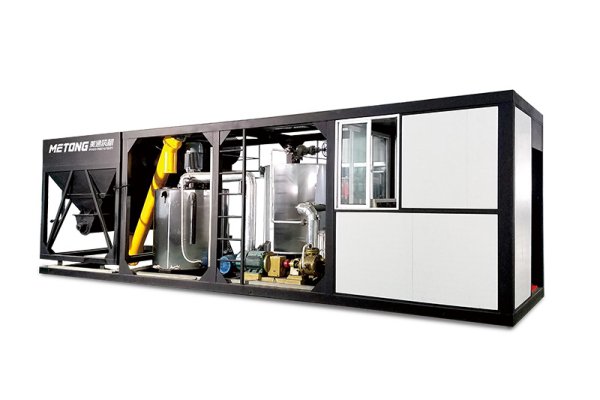
Mobile modular wet-process rubber bitumen plants at 10 or 20 t/h with controlled crumb-rubber ratio.
AR10 / AR20Details →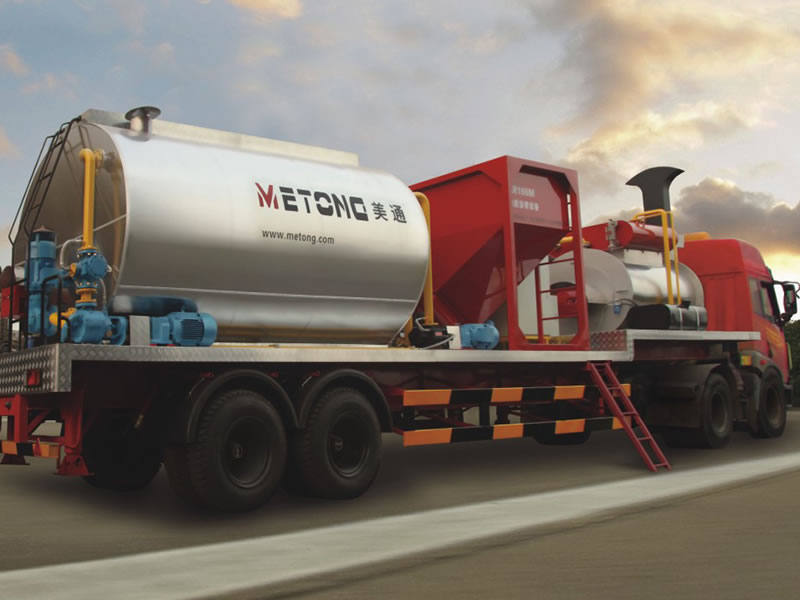
Trailer-mounted rubber asphalt unit that follows the paving spread between sites.
AR-MDetails →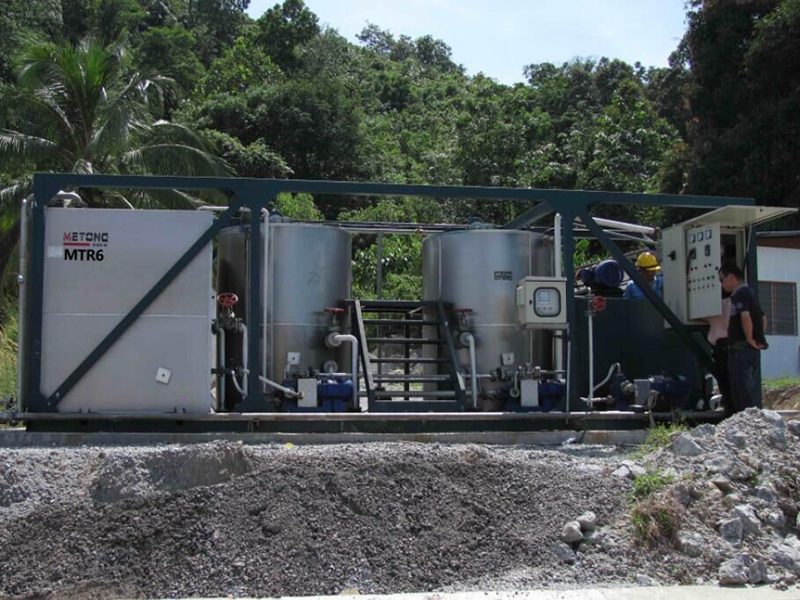
Colloid-mill emulsion plant, 6 to 10 t/h, manual or semi-automatic control.
MTR SeriesDetails →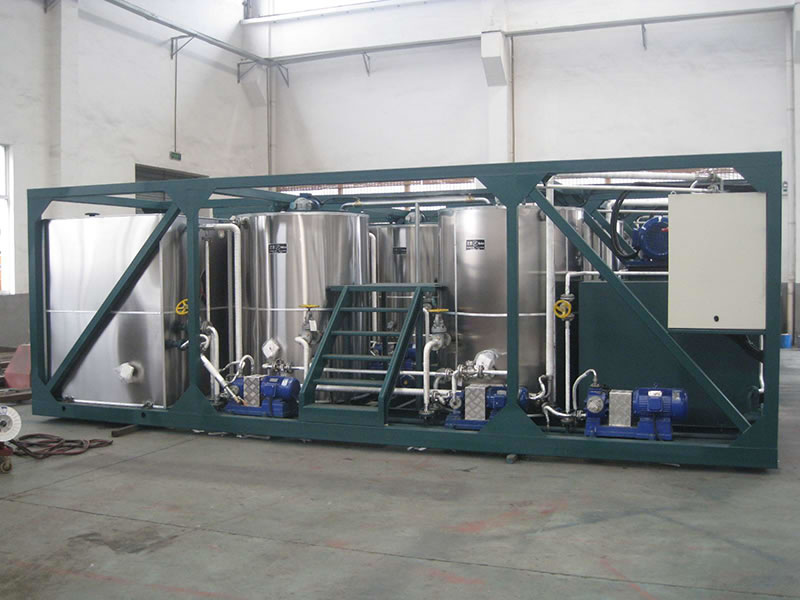
Container-frame plant producing modified emulsion at 6 t/h.
MTR6Details →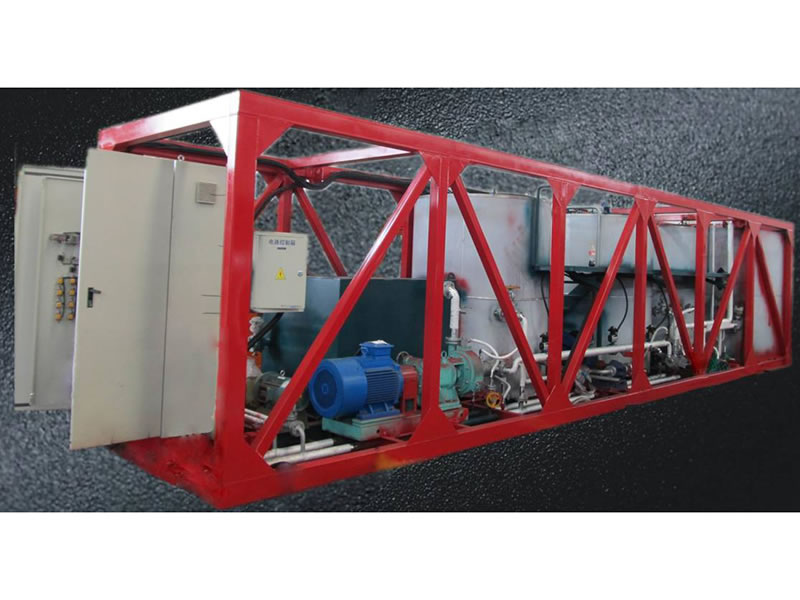
10 t/h modified emulsion line with in-line metering and heated storage.
MTR10ADetails →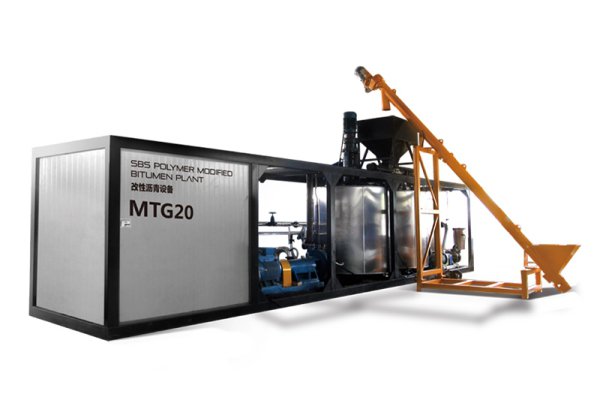
SBS and modified-binder production plants at 8-30 t/h with shear milling and metered SBS addition.
MTG10 / MTG20 / MTG30Details →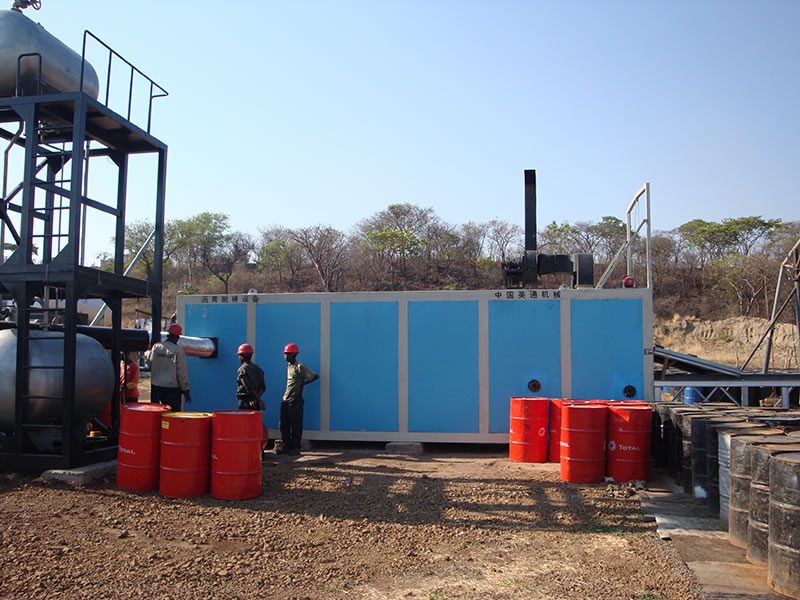
Hot-oil melter and decanter that recovers drummed bitumen at 2 to 8 t/h.
DJT SeriesDetails →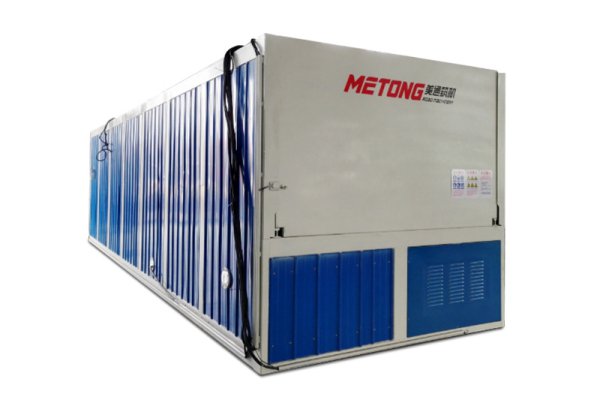
Thermal-oil block-binder melter at 8 t/h with 20 m3 storage and 16 blocks per batch.
KR16ADetails →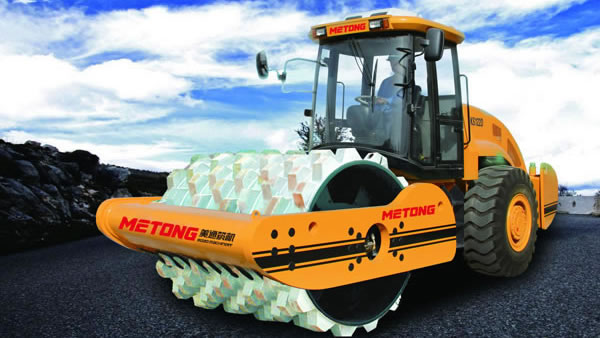
Full-hydraulic double-drive single drum rollers from 12.0 to 25.5 t with Sauer drive and vibration systems.
KS122D / KS202D / KS202DS / KS262DDetails →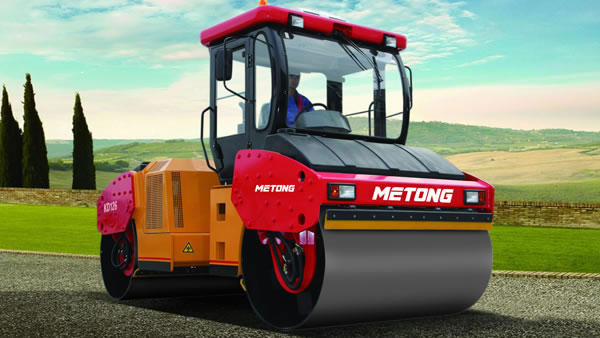
14.5 t full-hydraulic single-drum roller with optional padfoot shell for cohesive soils.
KS142DDetails →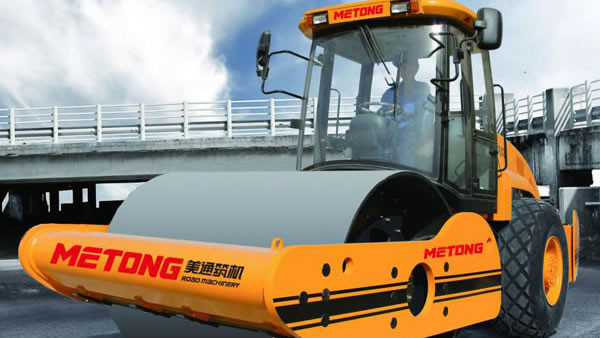
Five single-drive single-drum models from 12 to 25 t with dual-frequency, dual-amplitude vibration.
12 / 18 / 20 / 22 / 25 tDetails →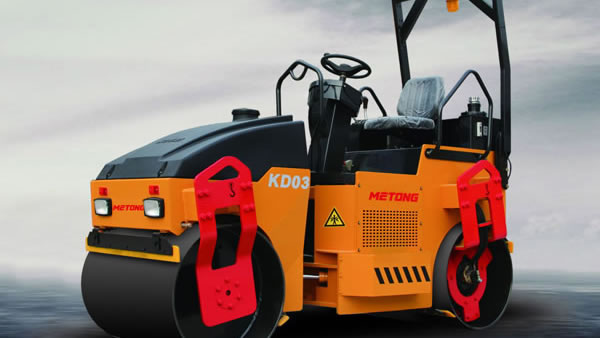
Compact tandem roller for municipal paving, footpaths and repair work.
KD03Details →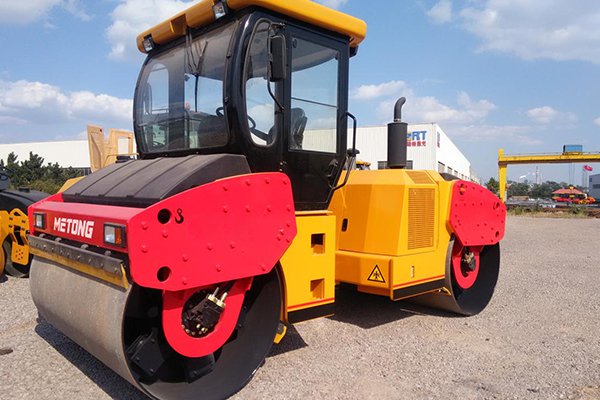
12 t full-hydraulic tandem roller with dual-frequency vibration, crab steering and dual water tanks.
KD126H / KD126HFDetails →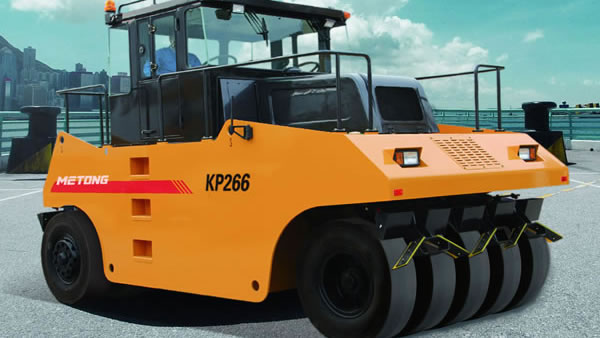
26 t tyre roller with adjustable ballast for sealing asphalt surfaces.
KP266Details →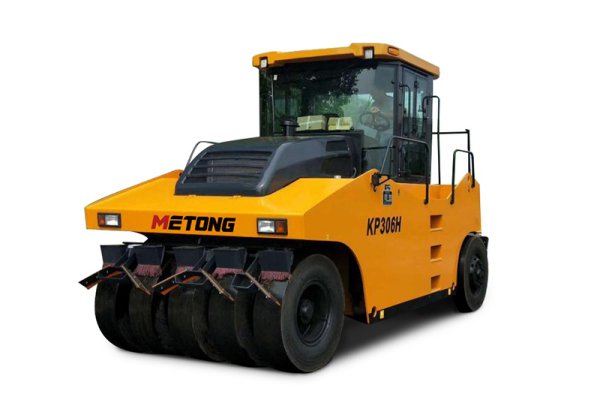
30 t heavy-duty pneumatic finish roller with adjustable ballast and 2750 mm compaction width.
KP306H-2Details →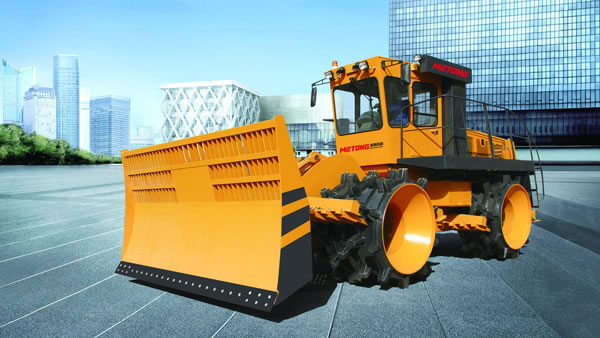
Steel-wheel landfill compactors with self-cleaning cleats for waste placement density.
KC230 / KC260 / KC300Details →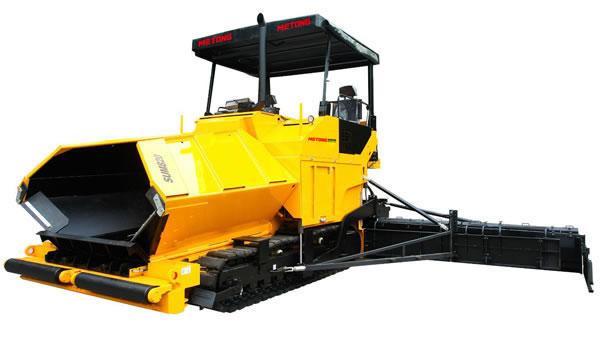
Crawler paver with heated screed and proportional feed for mainline and municipal work.
SUM820 / SUM820YEDetails →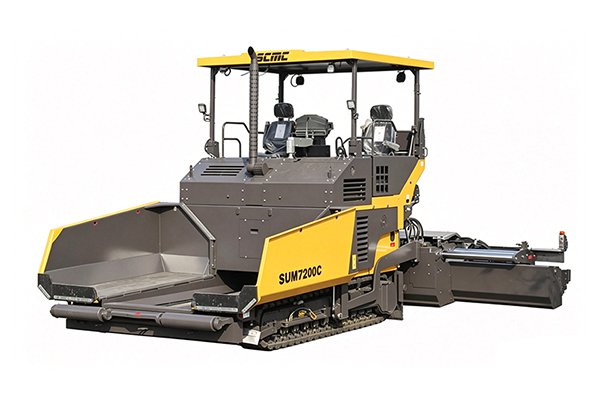
Large crawler paver with 2.55-8.0 m paving width and up to 300 mm thickness.
SCM7200CDetails →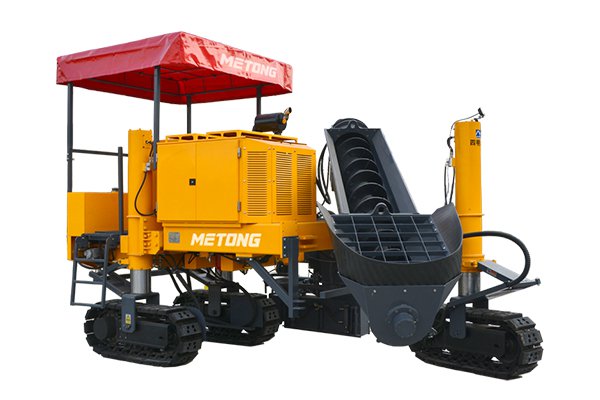
Hydraulic three-track concrete paver for curbs, gutters, barriers and sidewalk elements.
SMC-5500Details →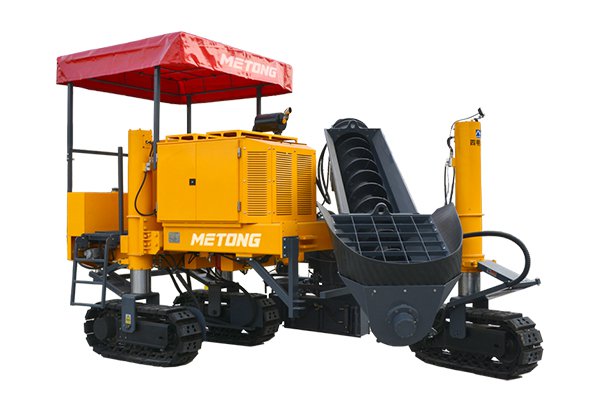
Modular four-track concrete paver supporting side, center and rear mounting modes.
SMC-6500Details →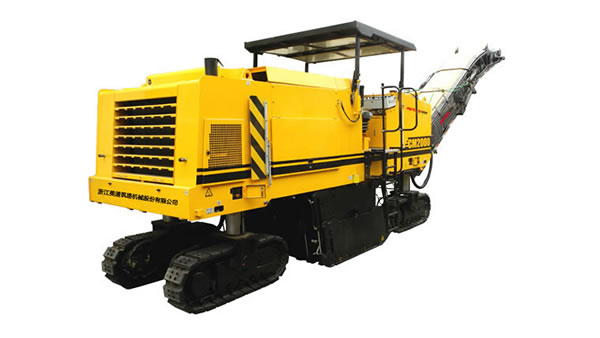
Milling machines from 1.0 to 2.0 m cutting width for pavement removal and rehabilitation.
CM2000 / CM1001 / CM1001JDetails →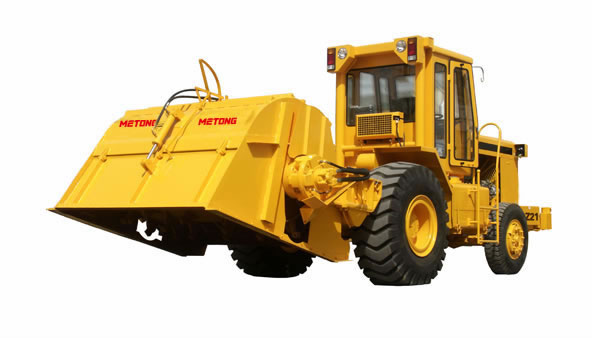
21 t stabilizer that mixes cement or lime into the base in a single pass.
WBZ21Details →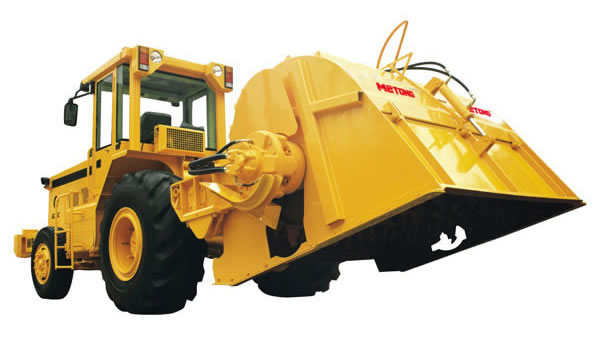
Stabilizer with a special mixing drum for deep, homogeneous base mixing.
WB400Details →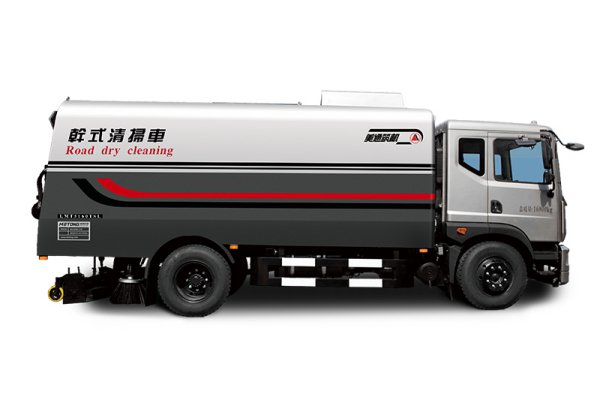
Waterless vacuum sweeper for milled surfaces and cold-climate road cleaning.
LMT5160TSLDetails →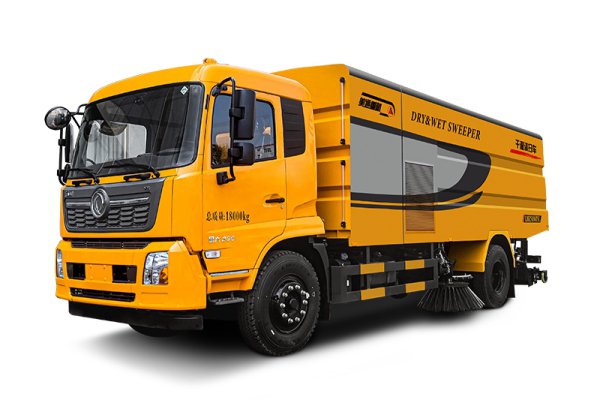
Combined wet and dry sweeping for urban roads, tunnels and industrial areas.
Specification on requestDetails →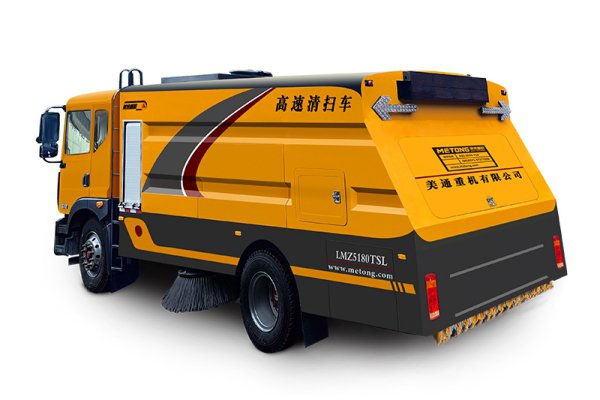
Mechanical broom sweeper for high-speed carriageways and heavy debris.
Specification on requestDetails →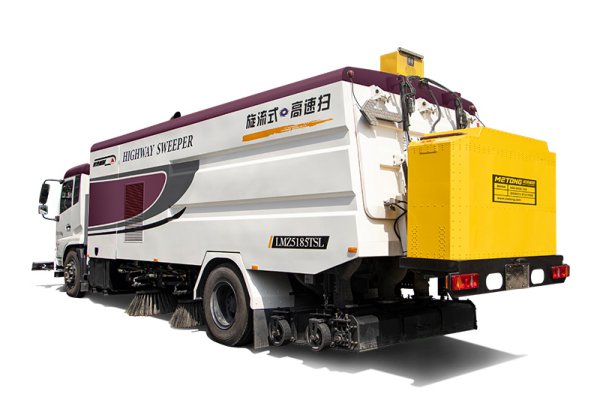
Regenerative air sweeper that recycles the airstream for dust-free surface cleaning.
LMZ5183TSLDetails →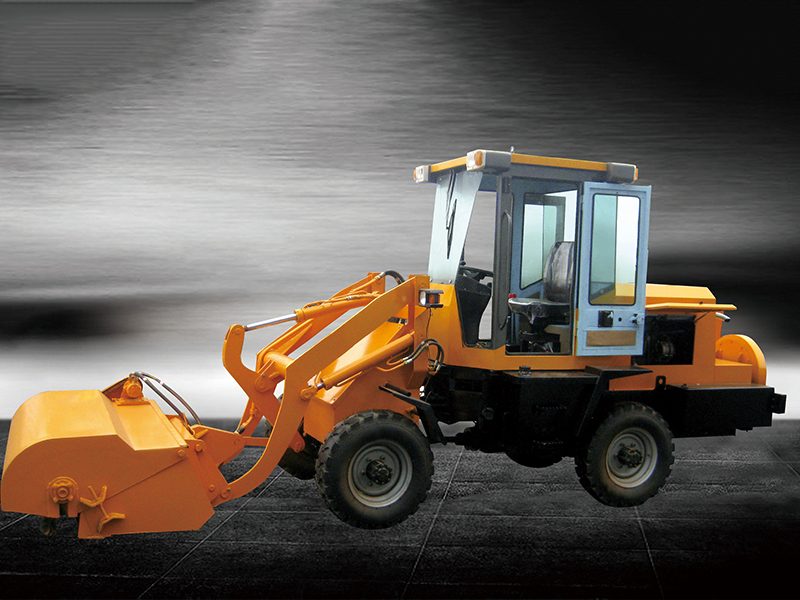
PTO-driven rotary broom for truck mounting or tractor three-point linkage.
Specification on requestDetails →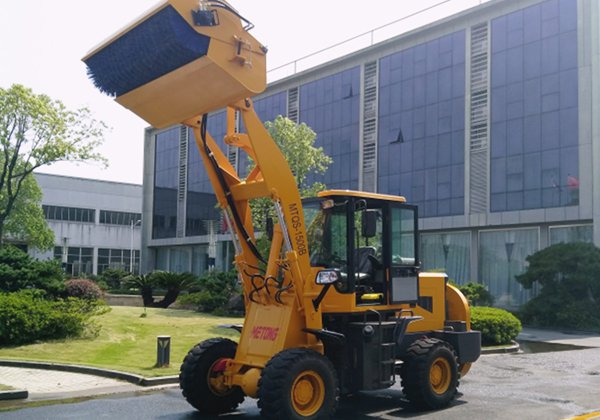
Self-propelled hydraulic broom for removing loose stone, mud and debris between paving stages.
MTQS-1500BDetails →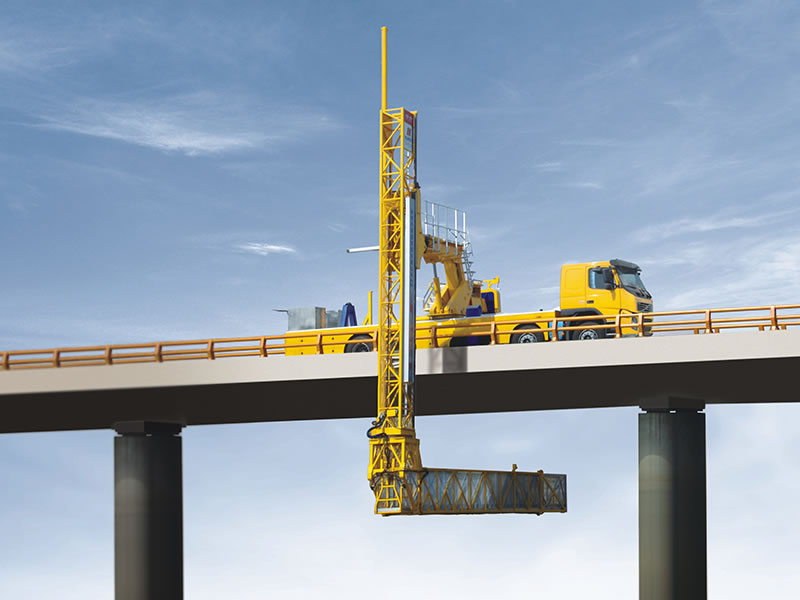
Truck-mounted under-bridge platform for structural inspection and maintenance access.
Specification on requestDetails →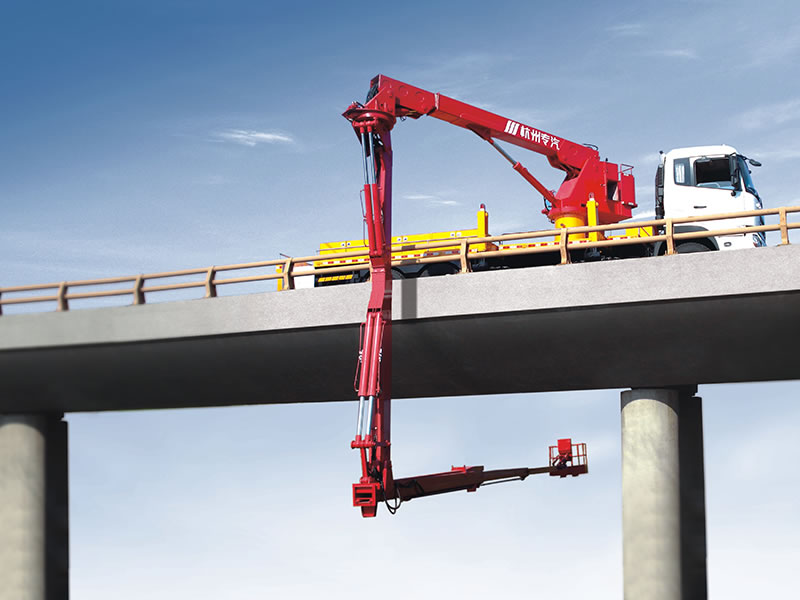
Long-reach under-bridge access vehicle for large-span structures.
Specification on requestDetails →No model matches that selection. Clear the search, or send the application for an engineering shortlist.
Complete Metong equipment range
Browse road construction and maintenance equipment by application.
This catalogue covers Metong surface-treatment trucks, asphalt plants, binder-processing equipment, compaction and paving machines, and specialized cleaning or access vehicles. Use the left-hand filters to narrow by application, then compare the model page for real configuration details.
Typical applications
- Highway and municipal road construction
- Preventive pavement maintenance and sealing
- Asphalt and binder production
- Compaction, paving, milling and special access work
Specification points to confirm
- Define the pavement layer or repair task first
- Compare working width, capacity and chassis duty
- Confirm heating, control and power requirements
- Request a written specification for export or tender use
Common buyer search terms
Road Construction & Maintenance
Metong built its reputation on surface treatment: sealing a road before it fails, spraying a uniform binder at the exact rate the mix design calls for, and repairing the patch instead of rebuilding the pavement. This family covers every step of that workflow, from binder distribution through aggregate spreading to crack sealing.
Every unit in this family is built on a production truck chassis and controlled from the cab. Spray rate, spread width and material ratio are set numerically and monitored while the machine works, so the result on the road matches the specification on paper — the reason these trucks are specified by road authorities rather than chosen on price alone.
Typical applications
- Surface treatment and preventive sealing
- Binder distribution and aggregate spreading
- Pothole, crack and hot-mix repair
- Binder transport between plant and site
Specification points to confirm
- Match the machine to the pavement defect or layer
- Confirm tank, hopper and working-width requirements
- Check chassis suitability for local roads
- Request a written specification before quotation
Common buyer search terms
Asphalt Mixing Plants
A plant decision sets the economics of a paving programme for a decade. Metong builds batch plants around a modular tower: aggregate feed, drying drum, weighing, mixing and finished-product storage can be specified as a complete station or staged as the project grows.
The environmental package is part of the base design rather than an add-on: enclosed screens, ducted dust collection and low-NOx burners keep emission concentration inside the limits municipal permits now require. Plants are shipped in container-sized modules, which keeps ocean freight and site assembly predictable.
Typical applications
- Stationary batch production
- Mobile or small-scale production
- RAP and recycling integration
- Depot expansion and modular supply
Specification points to confirm
- Daily output and batch size
- Feed bins, dryer, mixer and dust system
- RAP ratio and plant compatibility
- Transport, assembly and site footprint
Common buyer search terms
Bitumen Processing & Storage
Binder quality is where most surface failures begin. Metong designs the processing side of the chain: crumb-rubber and polymer modification under PLC control, emulsion plants with colloid mills sized to the daily binder demand, and melting equipment that recovers drummed bitumen without scorching it.
Units are offered as container-frame skid plants, mobile trailer plants or fixed stations, with capacities from 6 t/h to 30 t/h. Each package includes heated storage, metering pumps and a control system that logs batch data, so a contractor can prove the binder that went into the road.
Typical applications
- Rubberized binder production
- Emulsion and modified-emulsion manufacture
- Polymer-modified binder processing
- Drummed or block binder melting and storage
Specification points to confirm
- Production rate and feed form
- Mill, shear and heating systems
- Tank and storage capacity
- Recipe control and temperature logging
Common buyer search terms
Compaction, Paving & Milling
Density and smoothness are the two numbers a client measures at handover. This family supplies the machines that produce them: full-hydraulic rollers with dual-frequency drums, tyre rollers for sealing the surface, crawler pavers with heated screeds, and millers for the removal side of rehabilitation.
Chassis, hydraulic and power arrangements are selected per machine. Final component list, service-parts list and training topics are confirmed for the ordered configuration rather than assumed from the catalogue.
Typical applications
- Base and asphalt compaction
- Crawler asphalt paving
- Concrete slipform sections
- Milling and soil stabilization
Specification points to confirm
- Layer type and required density
- Working width and machine weight
- Hydraulic and vibration system
- Matching rollers, pavers and millers to the project
Common buyer search terms
Road Cleaning & Special Vehicles
Cleaning is the step that decides whether a seal holds. Dust and milled fines stop binder from bonding, so sweepers are part of the construction spread, not facilities equipment. Metong offers dry vacuum units for cold-climate and milled-surface work, wet/dry machines for urban duty, and mechanical highway sweepers for high-speed carriageways.
Beyond cleaning, this family includes the specialised vehicles that only a few manufacturers build: under-bridge inspection platforms and truck-mounted brooms for municipal fleets.
Typical applications
- Pre-paving and pre-sealing cleaning
- Municipal and highway sweeping
- Tractor or truck broom support work
- Under-bridge inspection access
Specification points to confirm
- Sweeping method and dust control
- Hopper, water tank and brush arrangement
- Mounting method and drive system
- Specialized platform reach and capacity
Common buyer search terms
Chip Sealers & Synchronous Sealing
Binder and aggregate applied in one pass, so the seal bonds before the binder cools. Truck-mounted and trailer configurations, with fibre options for stress absorption.
Synchronous sealers place binder and aggregate in one pass so the seal bonds before the binder cools. Selection usually starts with the binder tank, aggregate hopper, working width, chassis duty and whether a fibre dosing system is required.
Typical applications
- Preventive chip sealing on rural and arterial roads
- Single-pass surface seals on shoulders, access roads and parking areas
- Fibre-reinforced stress-absorbing seals
- Municipal and highway surface-treatment programmes
Specification points to confirm
- Binder tank capacity and heated line layout
- Aggregate hopper volume and gate control
- Binder spray width versus aggregate spread width
- Chassis axle configuration and local road-weight approval
- Fibre dosing and closed-loop control options
Common buyer search terms
Slurry Seal & Micro-Surfacing
Cold-mix paving units that place emulsion, aggregate, filler and water in a single continuous pass for rut filling, surface restoration and preventive sealing.
Slurry seal and micro-surfacing units combine emulsion, aggregate, filler, water and additives on the truck. The main buyer decisions are material tank volumes, rear-station control, paver box width and the ability to hold a consistent mix ratio on long jobs.
Typical applications
- Rut filling and aged-surface restoration
- Preventive slurry seals on municipal roads
- Micro-surfacing on high-traffic urban sections
- Trailer-mounted units for smaller or intermittent jobs
Specification points to confirm
- Emulsion, aggregate, water and filler tank capacities
- Paver box and working width
- Mix ratio and additive metering
- Truck or trailer chassis configuration
- Operator station and speed control
Common buyer search terms
Asphalt Distributors
Computer-controlled binder sprayers for hot bitumen, emulsions and modified binders, from 6 m³ truck units to 12 m³ heavy tri-axle distributors.
Distributors range from compact municipal sprayers to heavy tri-axle units for hot, rubberized or modified binders. Buyers compare tank volume, spray-bar width, nozzle count, heating method, pump flow and whether the control system records application rate.
Typical applications
- Tack coats before asphalt overlays
- Prime coats on unbound bases
- Fog seals and emulsion surface coats
- Heated modified or rubberized binder distribution
Specification points to confirm
- Tank capacity and insulation
- Spray-bar width and nozzle spacing
- Heating system and heated return lines
- Pump flow and discharge control
- Manual lance versus automatic spray-bar control
Common buyer search terms
Spreaders & Chip Spreaders
Cement and binder spreaders for cold recycling and soil stabilization, plus self-propelled aggregate spreaders with individually controlled gates.
This group covers both aggregate spreaders for seals and binder or cement spreaders for stabilization. The key comparison points are working width, hopper capacity, discharge-gate control, drive method and the material the machine is approved to carry.
Typical applications
- Aggregate spreading after binder application
- Cement, lime or fly-ash spreading for stabilization
- Cold-recycling binder distribution
- Self-propelled spreaders for continuous seal-coat work
Specification points to confirm
- Working width and gate opening control
- Hopper volume and material type
- PTO, hydraulic or self-propelled drive
- Uniformity of discharge across the spread
- Chassis or trailer mounting arrangement
Common buyer search terms
Pavement Repair & Hot Mix Handling
Crack sealing, infrared repair, hot-recycling patchers and insulated hot-mix transporters that keep material workable from plant to trench.
Pavement repair equipment covers crack sealing, infrared softening, hot recycling and insulated hot-mix transport. A fleet specification should match the repair method to the defect: cracks, potholes, localized patches and night maintenance each need a different body layout.
Typical applications
- Pothole patching and localized repairs
- Crack filling and joint sealing
- Infrared repair that fuses new material with existing pavement
- Insulated transport of hot mix from plant to trench
Specification points to confirm
- Repair method: recycling, infrared, hot box or crack seal
- Material capacity and insulation performance
- Heating or mixing system
- Auger or conveyor discharge
- Chassis size for urban and rural access
Common buyer search terms
Bitumen Transport & Storage
Insulated tank trucks and semi-trailers with hydraulic pumping and heating, for moving binder between plant, depot and sprayer.
Heated tank trucks and semi-trailers connect the binder plant, depot and distributor fleet. Buyers should confirm tank volume, insulation, heating system, pump capacity, discharge fittings and the axle configuration required for the operating region.
Typical applications
- Long-distance hot-binder delivery
- Depot-to-site tank transfer
- Feeding distributor fleets during sealing programmes
- Previous-generation 25 and 30 m³ transport-tank references
Specification points to confirm
- Tank capacity and insulation thickness
- Heating method and temperature retention
- Pump flow and discharge fittings
- Axle configuration and legal payload
- External power supply for the pump
Common buyer search terms
Batch Mixing Plants
Modular batch plants from 120 to 320 t/h with enclosed screening, ducted dust collection and PLC batching control.
Batch plants are selected around daily output, batch weight, cold-feed configuration, dryer capacity, dust control, mixer size and finished-product storage. Export projects also need to account for container-module transport and site assembly.
Typical applications
- Highway and municipal asphalt production
- Commercial asphalt depots
- Stationary supply for large paving programmes
- Projects requiring controlled batch weights and dust collection
Specification points to confirm
- Rated production output and batch weight
- Number and size of cold-feed bins
- Dryer, burner and baghouse dust system
- Mixer capacity and control system
- Storage silo and RAP add-on compatibility
Common buyer search terms
Asphalt Mixers & Recycling
Standalone mixers, RAP add-on modules and compact mobile units for depots and projects that need to add capacity or reclaimed-asphalt capability.
Mixers and recycling units often upgrade an existing depot rather than build a complete tower. The relevant questions are mixer type, RAP ratio, feed arrangement, control integration and whether the unit can be retrofitted to the current plant.
Typical applications
- Adding mixing capacity to an existing depot
- Reclaimed asphalt incorporation
- Cold in-plant recycling preparation
- RAP add-on modules for compatible batch plants
Specification points to confirm
- Mixer or recycling-unit capacity
- Maximum reclaimed-asphalt ratio supported
- Compatibility with the existing plant
- Feed hopper and conveying arrangement
- Control and metering integration
Common buyer search terms
Mobile & Small Asphalt Plants
Relocatable drum-mix plants and trailer-mounted small mixers for maintenance jobs, remote sites and projects requiring frequent relocation.
Mobile and small plants suit remote sites, maintenance programmes and projects that require frequent relocation. Selection focuses on output, transport module count, burner system, power supply, assembly time and the available site footprint.
Typical applications
- Remote paving projects without a fixed depot
- Seasonal road-maintenance production
- Small-scale or trailer-mounted asphalt supply
- Relocatable drum-mix operations
Specification points to confirm
- Rated output range and transport modules
- Drum or mixer configuration
- Burner and power requirements
- Relocation and assembly method
- Site footprint and foundation requirements
Common buyer search terms
Rubber Asphalt Plants
Crumb-rubber modified binder production under continuous shear and temperature control, in container-frame and mobile formats.
Crumb-rubber bitumen plants modify binder under controlled shear and temperature. Buyers should confirm production rate, rubber dosing method, shear or colloid mill, heated storage and whether the plant is container-frame, mobile or fixed.
Typical applications
- High-viscosity rubberized binder production
- High-stress road sections and preventive overlays
- Container-frame depot installation
- Mobile units that follow construction spreads
Specification points to confirm
- Production rate and rubber ratio control
- Shear or colloid mill specification
- Heated storage and pumping
- Mobile, skid or fixed layout
- Recipe and temperature logging
Common buyer search terms
Emulsion & Modified Emulsion
Colloid-mill emulsion plants producing cationic and modified emulsions at 6 to 10 t/h, with manual or semi-automatic control.
Emulsion plants produce cationic or modified emulsions through a colloid mill and controlled soap preparation. The main specification items are output, bitumen and soap tanks, mill size, metering pumps, control level and finished emulsion storage.
Typical applications
- Emulsion supply for slurry and chip seals
- Prime and fog-seal binder production
- Modified emulsion for local road maintenance
- Depot-scale emulsion manufacturing
Specification points to confirm
- Emulsion output per hour
- Bitumen, water and soap tank volumes
- Colloid mill and pump arrangement
- Manual, semi-automatic or PLC control
- Heated storage and quality sampling
Common buyer search terms
Polymer Modified Bitumen
SBS, EVA and PE modification units with high-shear mills and PLC recipe control for pavement-grade binder.
Polymer-modified bitumen plants use high-shear mixing and metered polymer addition to produce pavement-grade binder. Buyers should compare output, polymer feed system, shear mill, online storage, temperature control and recipe documentation.
Typical applications
- Polymer-modified wearing courses
- Heavy-traffic and demanding pavement binder
- Export projects requiring documented recipes
- Continuous or batch modified-binder production
Specification points to confirm
- Production rate and polymer type
- High-shear mill and mixing tank
- Metered polymer addition
- Temperature and agitation control
- Recipe logging and storage capacity
Common buyer search terms
Melting & Decanting
Drummed-bitumen melters that recover binder from steel drums without local overheating, from 2 to 8 t/h.
Melting equipment recovers drummed or block bitumen without local overheating. Selection depends on feed form, melting rate, hot-oil system, recovered-binder storage, discharge pump and safety enclosure.
Typical applications
- Receiving drummed or block bitumen at depots
- Supplying nearby emulsion or modification lines
- Small-batch binder recovery
- Block-binder melting with integrated storage
Specification points to confirm
- Drum or block feed capacity
- Melting rate and hot-oil heating
- Recovered-binder storage volume
- Discharge pump and filtering
- Operator safety and ventilation
Common buyer search terms
Road Rollers & Compactors
Single drum, double drum and pneumatic tyre rollers, plus landfill compactors — full-hydraulic drives with dual-frequency vibration.
Rollers are chosen by layer type, operating weight, drum or tyre configuration, vibration system and ballast. Single drums suit base layers, tandem drums finish asphalt, and pneumatic rollers provide sealing and flexibility.
Typical applications
- Soil and base-layer compaction
- Asphalt surface compaction
- Tyre-roller sealing of bituminous layers
- Landfill or specialized waste compaction
Specification points to confirm
- Operating weight and layer application
- Single drum, tandem drum or pneumatic tyres
- Vibration frequency and amplitude options
- Drive and ballast configuration
- Compaction width and drum diameter
Common buyer search terms
Asphalt Pavers
Crawler pavers with heated screeds and proportional material feed for mainline and municipal paving.
Asphalt pavers are selected by paving width, hopper capacity, feed system, screed type, thickness range and grade control. Municipal work and mainline work often require different width and screed configurations.
Typical applications
- Mainline asphalt paving
- Municipal road and access-road paving
- Parking-lot and commercial-site paving
- Continuous feed with heated screeds
Specification points to confirm
- Paving width and screed type
- Hopper capacity and material feed
- Maximum and nominal paving thickness
- Engine and hydraulic system
- Grade and slope control options
Common buyer search terms
Concrete Slipform Pavers
Track-mounted hydraulic pavers for curbs, gutters, sidewalks, barriers and concrete pavement structures.
Concrete slipform pavers form curbs, gutters, barriers and sidewalk elements in one continuous pass. Selection depends on mold arrangement, track count, concrete feed, hydraulic control and the section profile to be formed.
Typical applications
- Concrete curbs and gutters
- Barrier and barrier-wall construction
- Sidewalk and drainage-profile paving
- Three-track or four-track configurations
Specification points to confirm
- Mold and section profile
- Three-track versus four-track layout
- Concrete feed and discharge
- Hydraulic and steering control
- Mounting position for the mold
Common buyer search terms
Milling & Soil Stabilization
Cold milling machines for pavement removal and soil stabilizers for cement- and lime-bound base construction.
This group combines cold milling for removal with soil stabilizers for base preparation. Milling specifications focus on cutting width and depth, while stabilizer specifications focus on mixing width, depth and binder addition.
Typical applications
- Cold milling before overlay
- Rut and surface-damage removal
- Cement or lime soil stabilization
- Deep base mixing for road reconstruction
Specification points to confirm
- Milling cutting width and depth
- Rotor and conveyor arrangement
- Stabilizer mixing width and depth
- Binder addition system
- Power and chassis configuration
Common buyer search terms
Road Sweepers
Dry vacuum, wet/dry, mechanical highway and regenerative-air sweepers for construction cleaning and municipal fleets.
Sweeper selection depends on whether the job requires vacuum pickup, wet dust suppression, mechanical brooms or regenerative air. Buyers should compare hopper capacity, water tank, filter system, brush arrangement and chassis duty.
Typical applications
- Cleaning before chip sealing or overlay
- Milled-surface and construction-site cleaning
- Municipal street and tunnel maintenance
- Dust-controlled urban sweeping
Specification points to confirm
- Vacuum, wet/dry, mechanical or regenerative-air system
- Hopper and water-tank capacity
- Filter and dust-suppression arrangement
- Brush or broom configuration
- Chassis class and daily duty cycle
Common buyer search terms
Tractor & Truck Brooms
PTO-driven rotary brooms for truck mounting or tractor three-point linkage, used for surface preparation and municipal upkeep.
Tractor and truck brooms prepare surfaces and remove loose debris before sealing. The main choices are mounting method, brush width, drive type, angle adjustment and whether collection is required.
Typical applications
- Loose-stone and debris removal before sealing
- Tractor or truck-mounted roadside maintenance
- Self-propelled pickup-broom support work
- Municipal access-road cleaning
Specification points to confirm
- Tractor three-point, truck-mounted or self-propelled layout
- Brush working width and angle adjustment
- PTO or hydraulic drive
- Debris collection option
- Chassis compatibility
Common buyer search terms
Bridge Inspection Vehicles
Truck-mounted under-bridge access platforms for structural inspection, maintenance and signage work.
Under-bridge inspection vehicles provide access below decks for structural checks, bearing work and surface maintenance. The key specification items are working reach, platform capacity, chassis class, lifting mechanism and safety equipment.
Typical applications
- Bridge and overpass structural inspection
- Bearing and expansion-joint maintenance access
- Coating, lighting and signage work below decks
- Large-span structure inspection
Specification points to confirm
- Working reach and platform size
- Platform load capacity
- Chassis class and road clearance
- Hydraulic lifting and safety system
- Accessories for inspection tools
Common buyer search terms