Chassis and working equipment
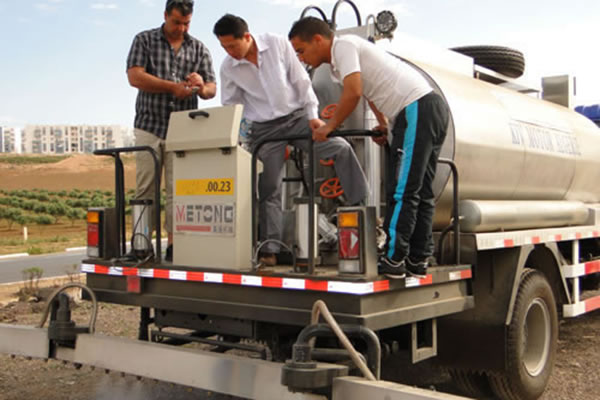
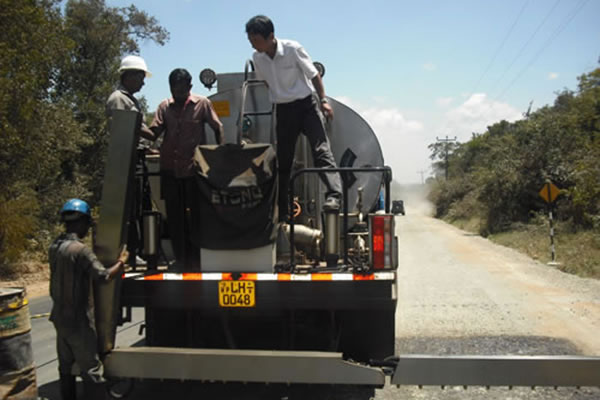
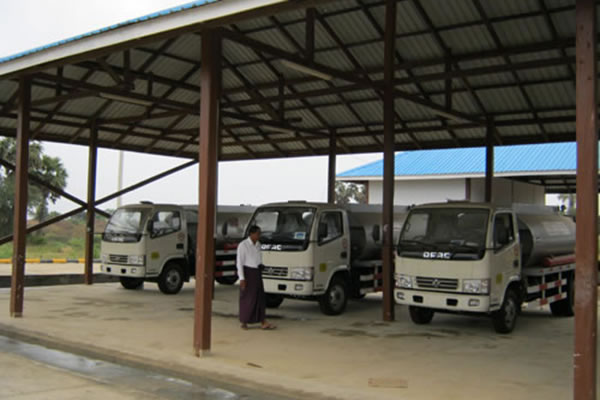
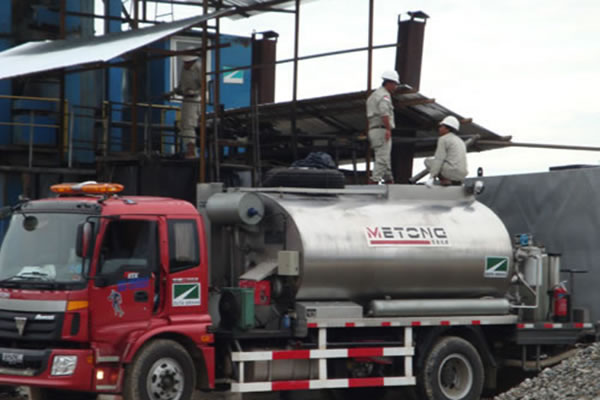
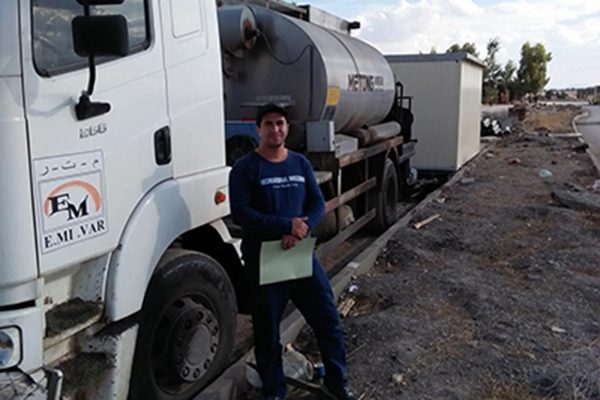
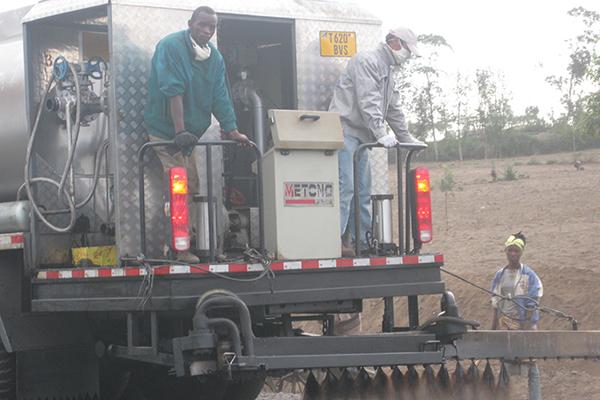
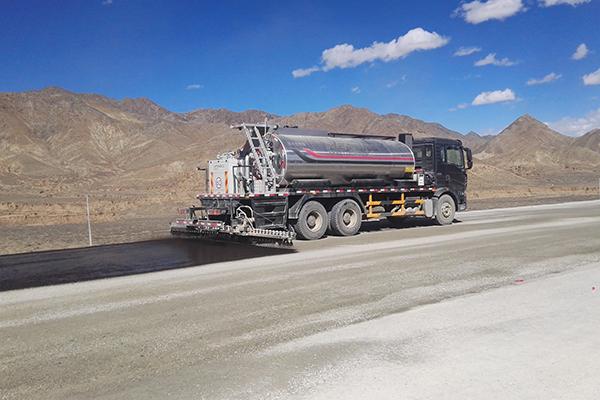
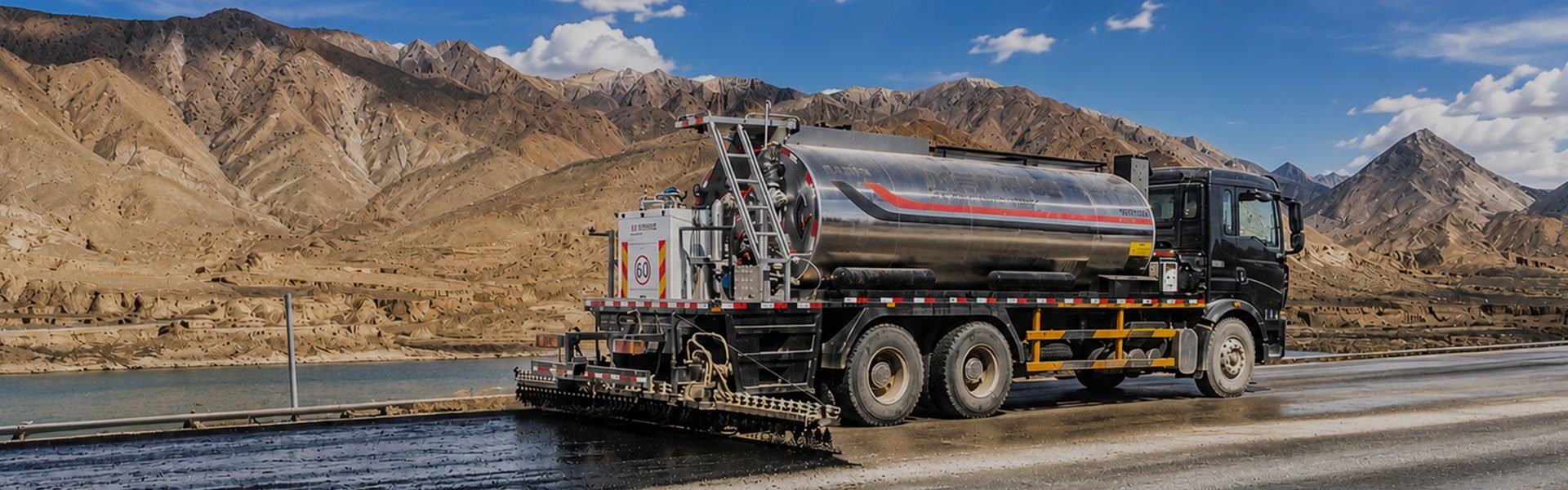
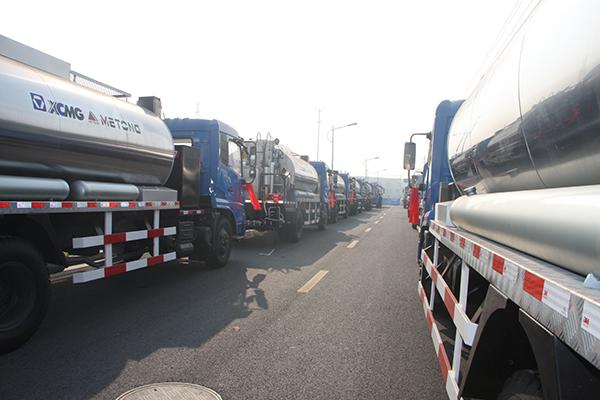
Truck-mounted, trailer-mounted and skid-mounted arrangements are compared against payload, road clearance, site access and transport limits before a model is selected.
Asphalt plants, bitumen processing, distributors, sealers, rollers and sweepers — designed in Hangzhou, built on production chassis, exported to more than 100 markets.
Zhejiang Metong Machinery. has supplied road construction and maintenance equipment since 2000. The catalogue follows the pavement lifecycle: plants and bitumen processing supply the material; distributors, sealers and pavers place it; rollers compact it; sweepers and special vehicles prepare or access the working surface.
Export enquiries are answered from the application rather than a fixed price list. Engineering compares material, expected output, site constraints, transport limits and documentation needs, then returns a configuration direction, open questions and the documents that can be prepared for the confirmed order.
Truck-mounted, trailer-mounted and skid-mounted arrangements are compared against payload, road clearance, site access and transport limits before a model is selected.
Spray rate, binder ratio, batching sequence and the compaction train are discussed against the project specification rather than generic catalogue assumptions.
Manuals, diagrams, parts lists, origin and commercial documents are prepared according to the confirmed model, destination market and tender requirement.
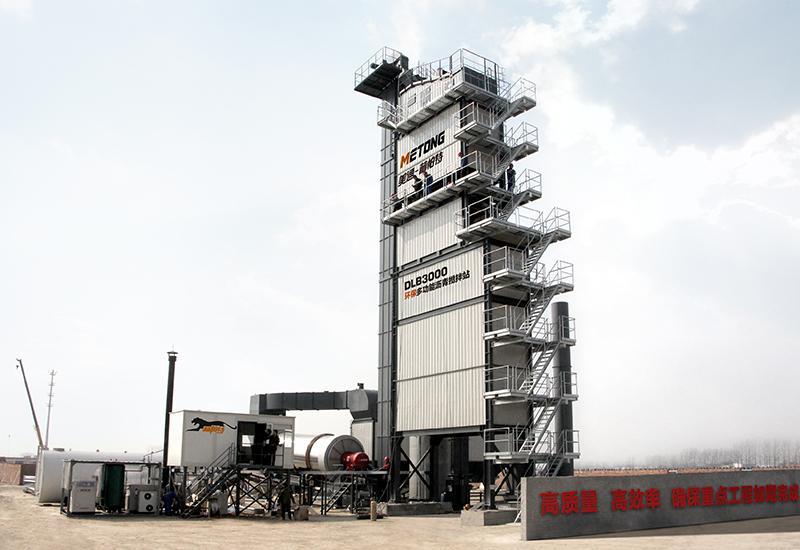
Batch and drum mix production
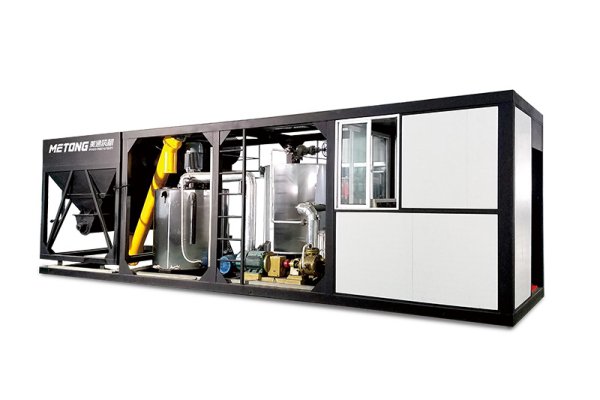
Modified, rubber and emulsion bitumen
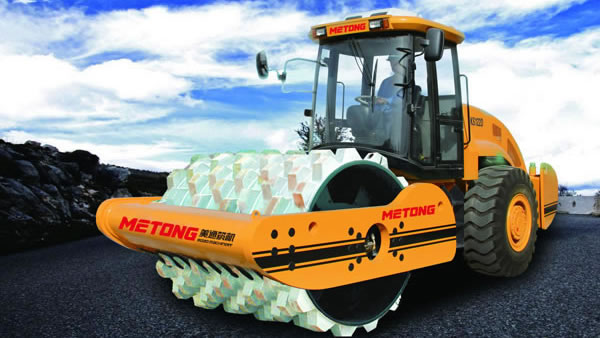
Rollers, pavers, millers, stabilizers
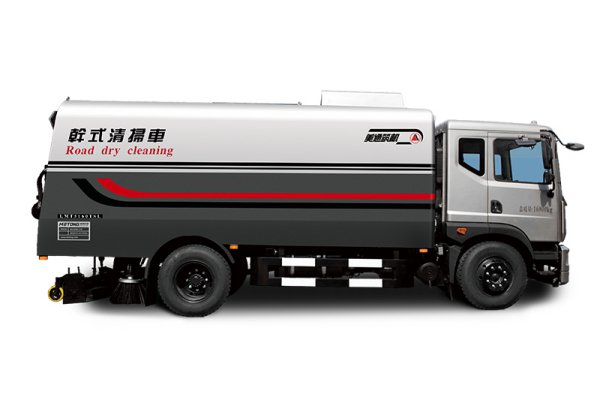
Sweepers, brooms, bridge access
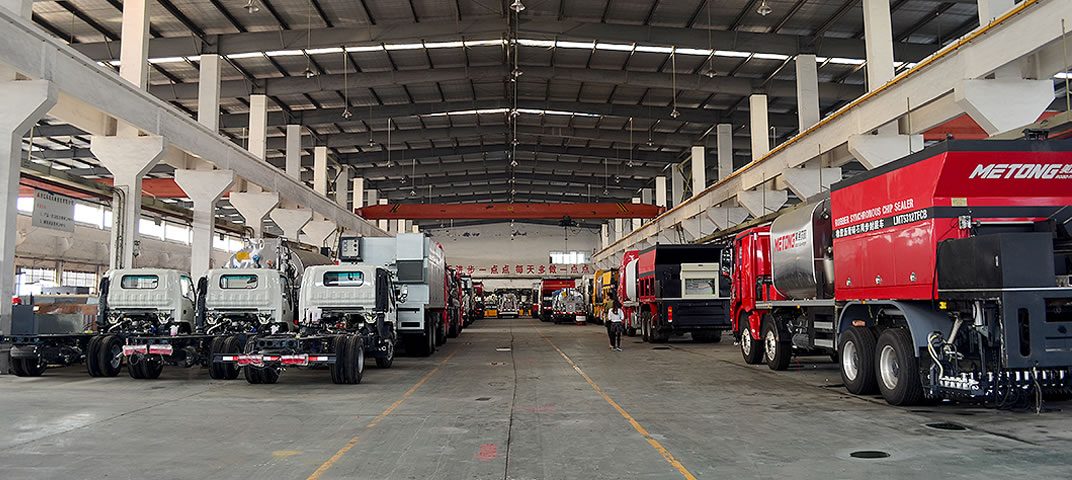
Chassis, tank or hopper arrangement, working width, heating or control option and transport constraints are compared against a written requirement.
International buyer routes usually begin with a work task rather than a model number. Use these five procurement questions to identify the relevant equipment family before opening individual specification tables.
Batch, mobile or relocatable plants; compare programme output, mix changes, power requirement and module transport before choosing a layout.
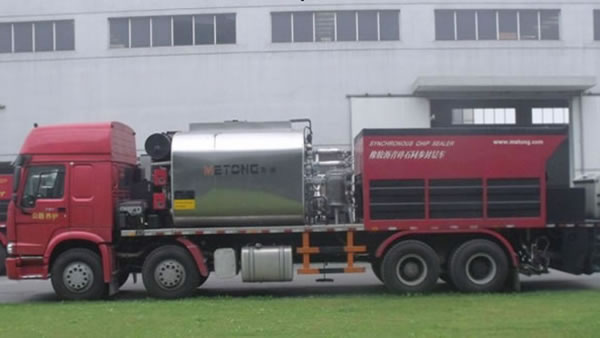
Distributors, synchronous chip sealers, slurry seal and micro-surfacing units are selected by binder type, treatment width, material ratio and crew size.
Rubber asphalt, emulsion, polymer modification and melting equipment depend on binder grade, shear or mill requirement, heated storage and recipe control.
Pavers, rollers, milling machines and stabilizers are matched to layer material, lift thickness, joint condition and the planned working sequence.
Sweepers, brooms and under-bridge platforms prepare the surface for sealing or provide access for inspection and maintenance work.
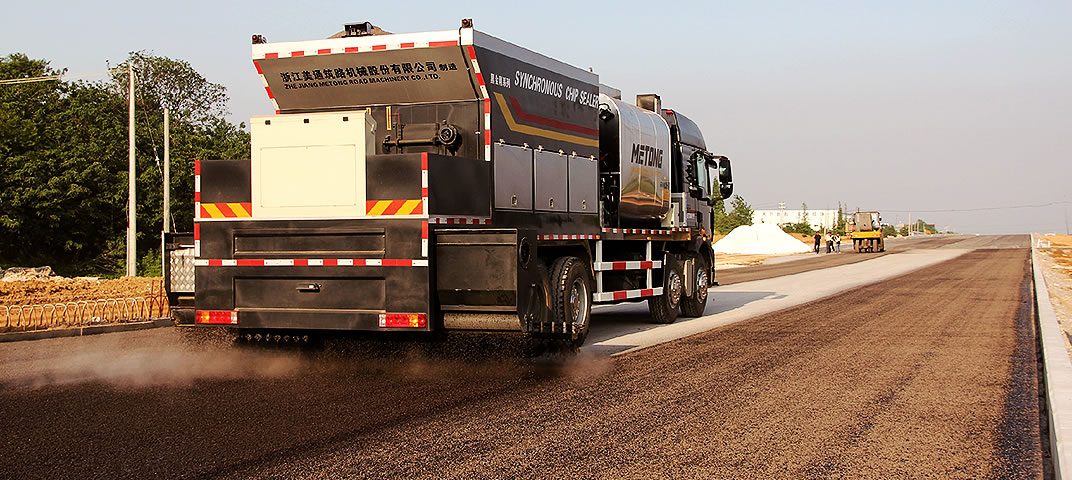
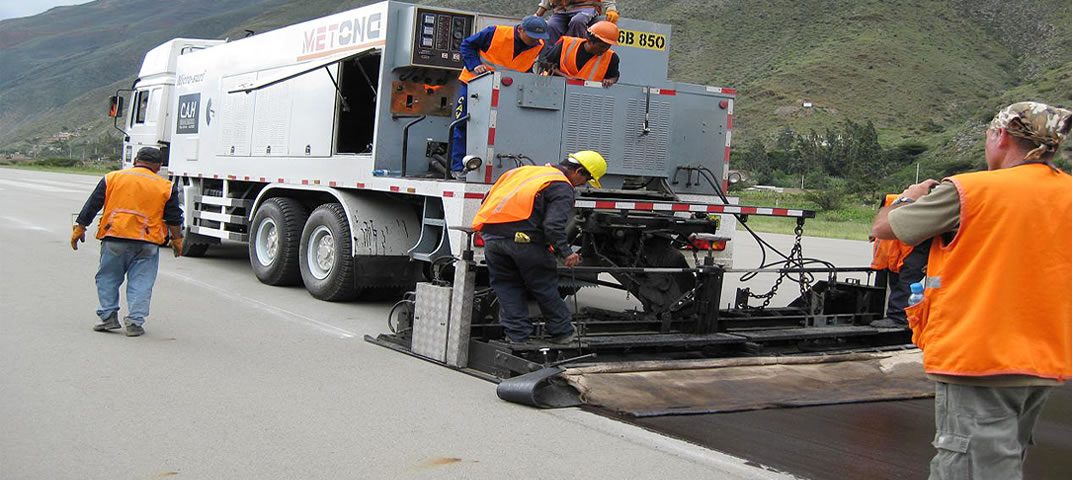
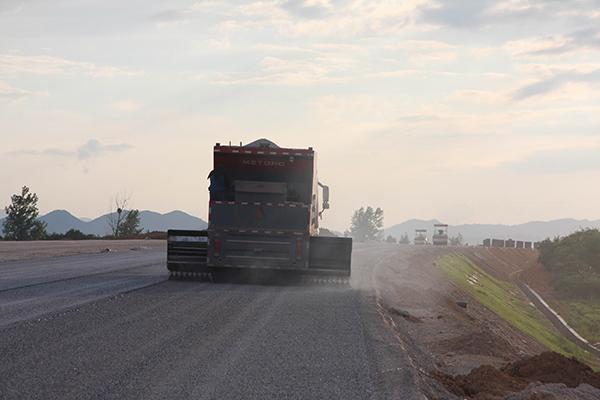
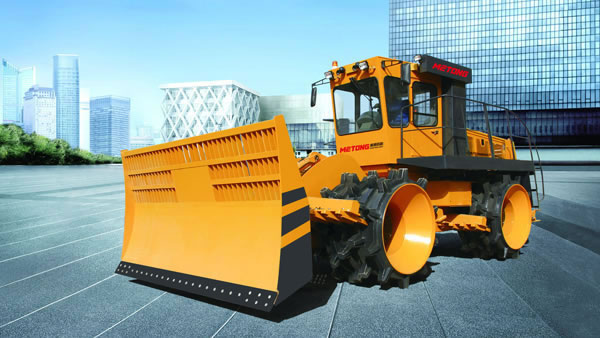
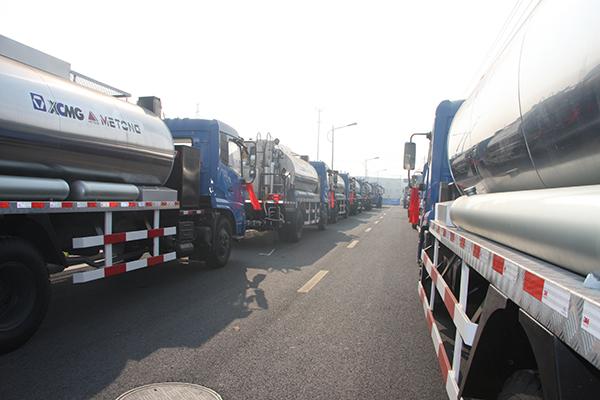
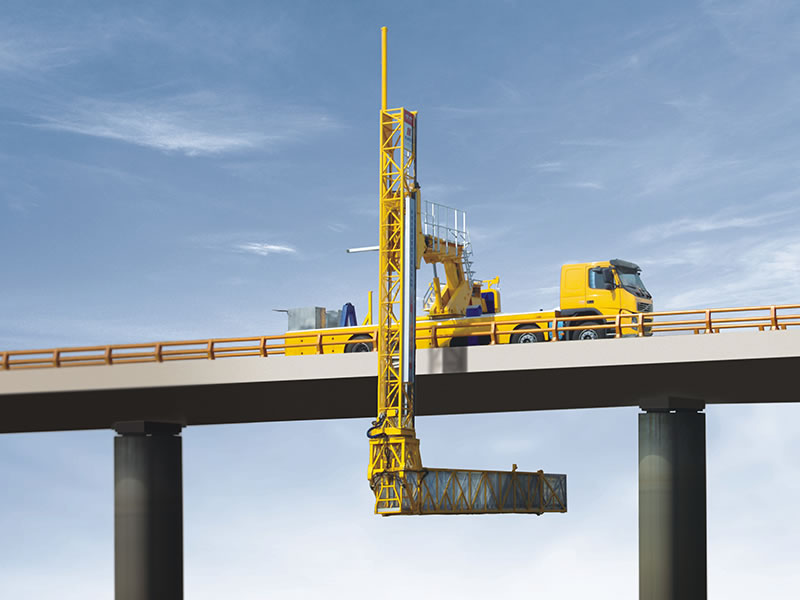
Plate cutting, forming and welding of tanks, hoppers, frames and spray bars, with jigs held for each model family so geometry repeats.
Chassis mounting, hydraulic runs and control wiring on a moving line, with sub-assemblies tested before they are integrated.
Pressure and leak testing of tanks and lines, calibration of spray and batching systems, and a witnessed run of the working functions.
Pre-shipment inspection, protection, loading as complete units or container modules, and documentation issued with the shipment.
Short notes cover the decisions that determine equipment choice: binder rate, mix design, compaction sequence, modified binder processing and import logistics.
Placing binder and aggregate within seconds of each other changes what the seal can be specified to do — and what it costs over a design life.
Both place emulsion, aggregate, filler and water in one pass. The difference is the mix design — and what it lets you do with the surface.
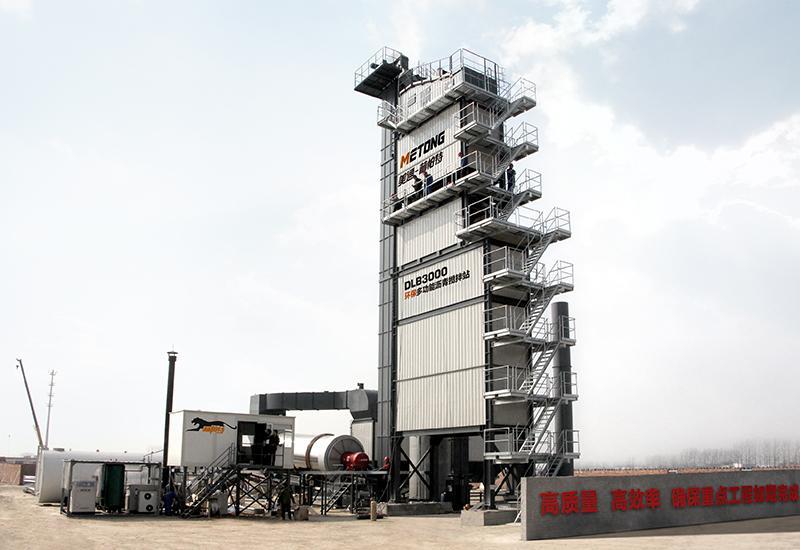
The choice is not about technology preference. It is about how many mixes you run, how often you change them, and what your specification demands.
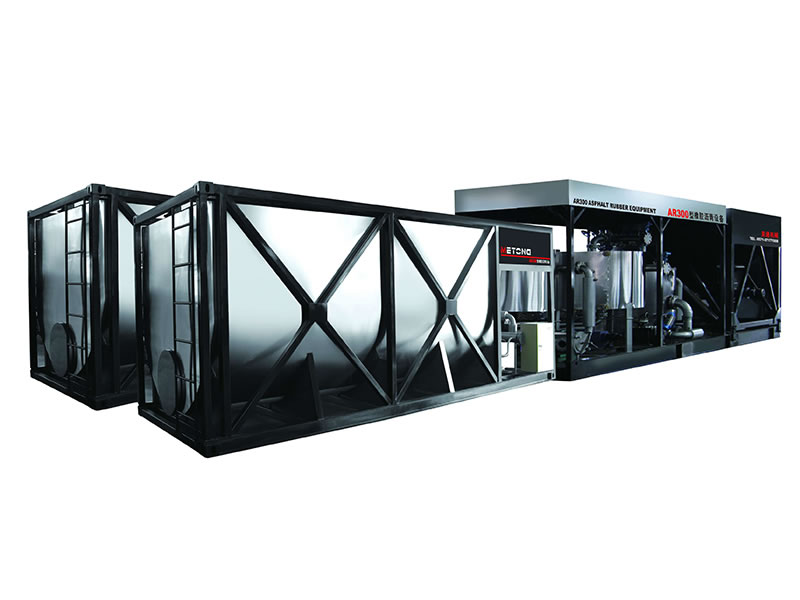
Modified binder is a chemistry problem with a mechanical answer: shear, temperature and time, held consistently from batch to batch.
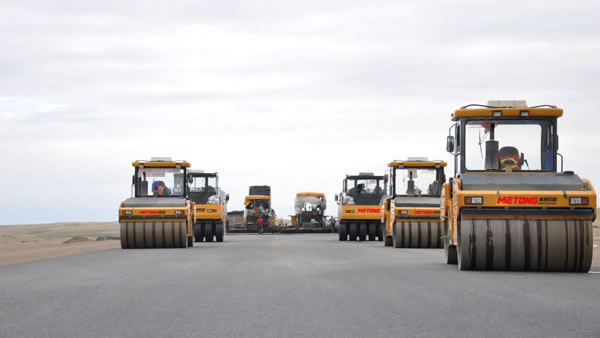
Density is produced by the order the rollers work in and the temperatures they meet — not by the heaviest roller on site.
The machine is half the purchase. The other half is documentation, freight, commissioning and a spares plan that survives the first season.
Use the guide, support page and document library to prepare a complete technical request.
The answers below summarize the information engineering needs before comparing models or preparing a written proposal.
Start with the equipment family and application rather than a model number. Send the material, expected output, treatment or production requirement, site access and destination; engineering returns the closest family direction and the configuration questions that matter.
Include the application, material or mix type, output requirement, site constraints, destination port, target delivery window, required certificates and any tender document. Details that are not available can be identified as open questions.
Project documents cover operation and maintenance information, applicable diagrams, spare-parts list, origin and commercial documents. Arrangement drawings, test records and market-specific declarations are identified according to the confirmed model and tender clause.
Yes. Chassis, tank or hopper arrangement, heating or control option, safety equipment and modular layout are compared against a written requirement. Final dimensions, capacities and options are confirmed in the quotation rather than assumed from a catalogue image.
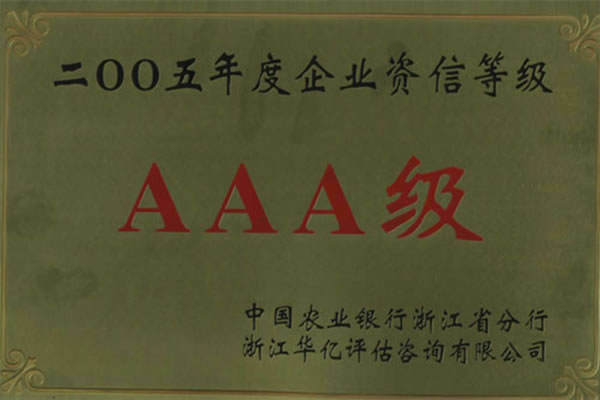
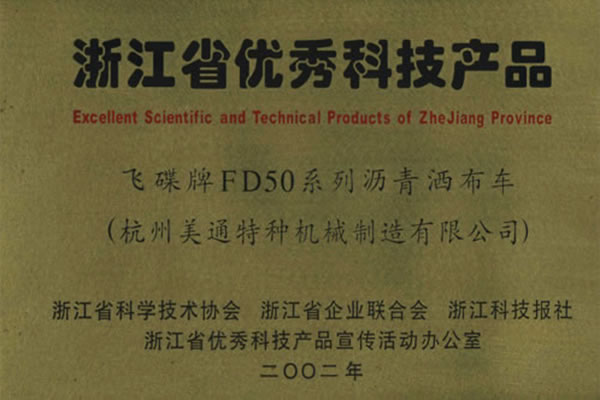
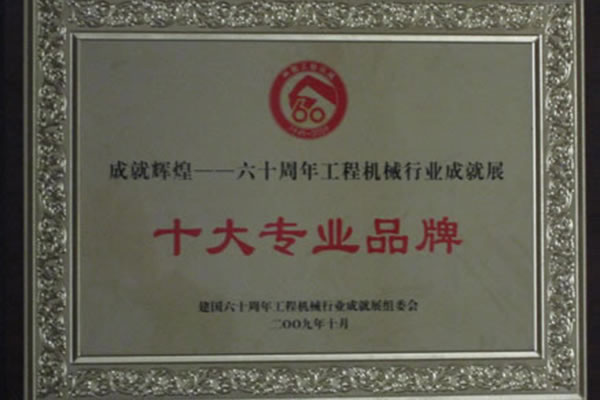


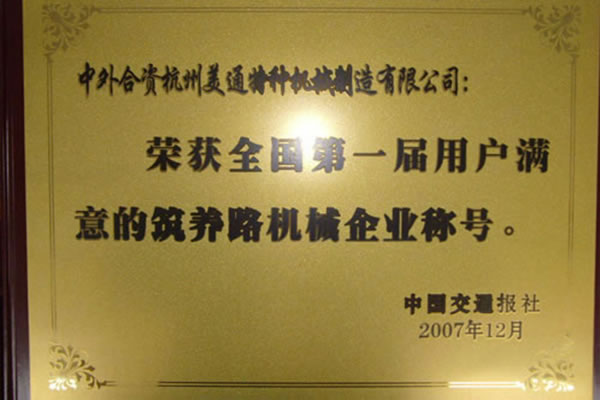
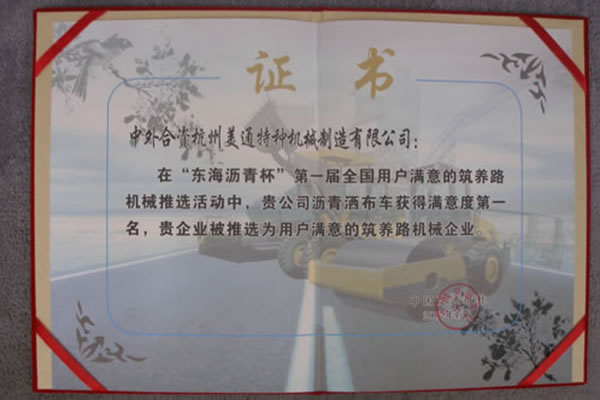
ISO 9001 since 2006 · CCMQS and CCC since 2002 · 150+ patents and registrations · product test reports and export licences held per model and market.
Send the application, the material and the output you need. You will get a configuration proposal with capacity, chassis options and delivery window — not a catalogue page.