Sealers, distributors and micro-surfacing
Notes cover binder rate, chip placement, emulsion mix design, spray-bar control and checklist questions for quotations.
Short engineering notes on the decisions that determine whether equipment performs: binder rates, mix design, compaction sequence and import logistics.
These notes are written for the people who specify and run the equipment — procurement engineers, pavement engineers and site managers. They are not product pages: each one explains a mechanism, the numbers that matter, and what to check before committing to a method or a machine.
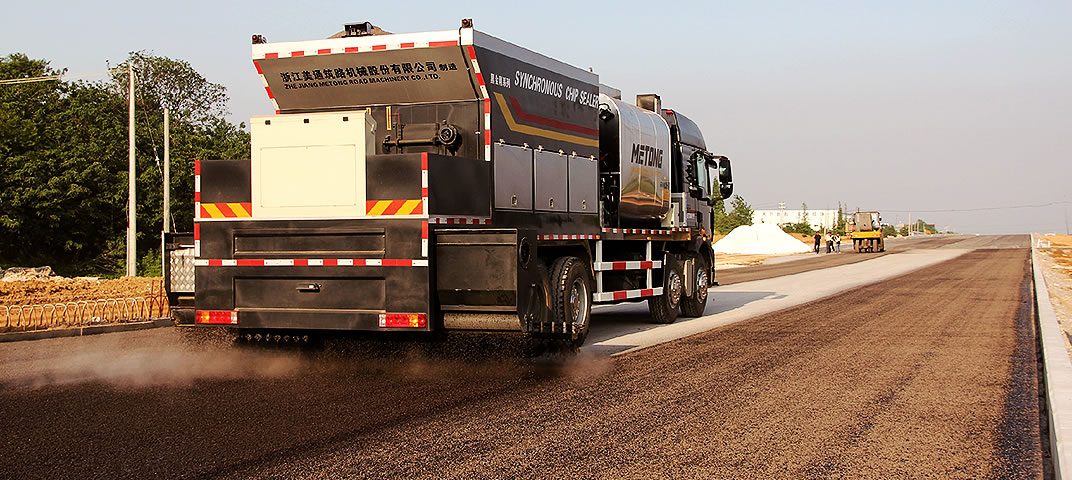
Placing binder and aggregate within seconds of each other changes what the seal can be specified to do — and what it costs over a design life.
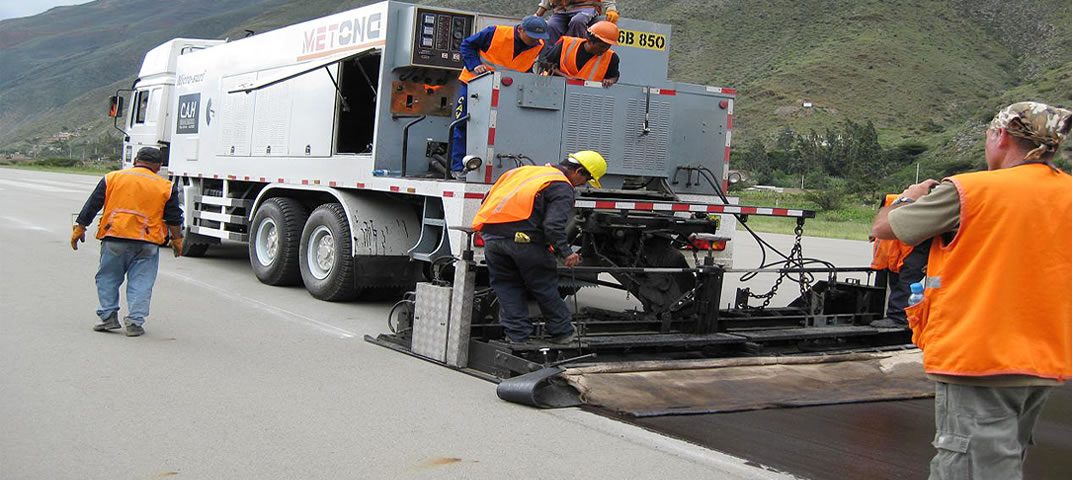
Both place emulsion, aggregate, filler and water in one pass. The difference is the mix design — and what it lets you do with the surface.
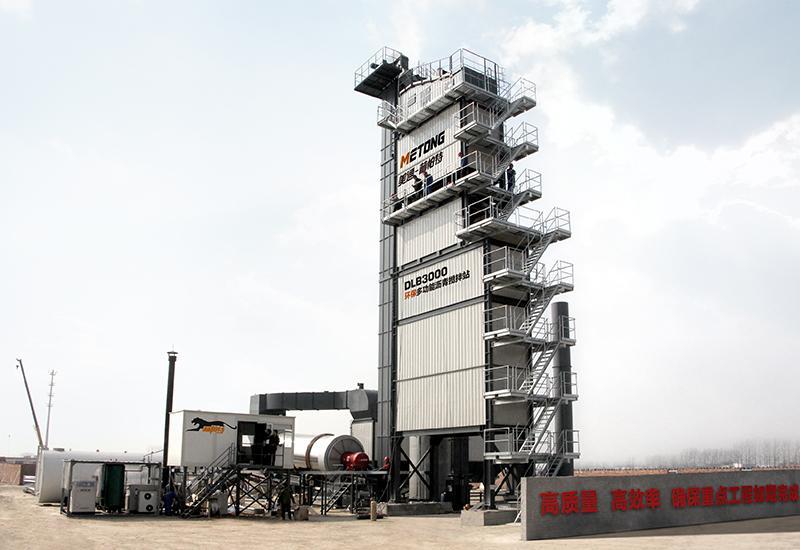
The choice is not about technology preference. It is about how many mixes you run, how often you change them, and what your specification demands.
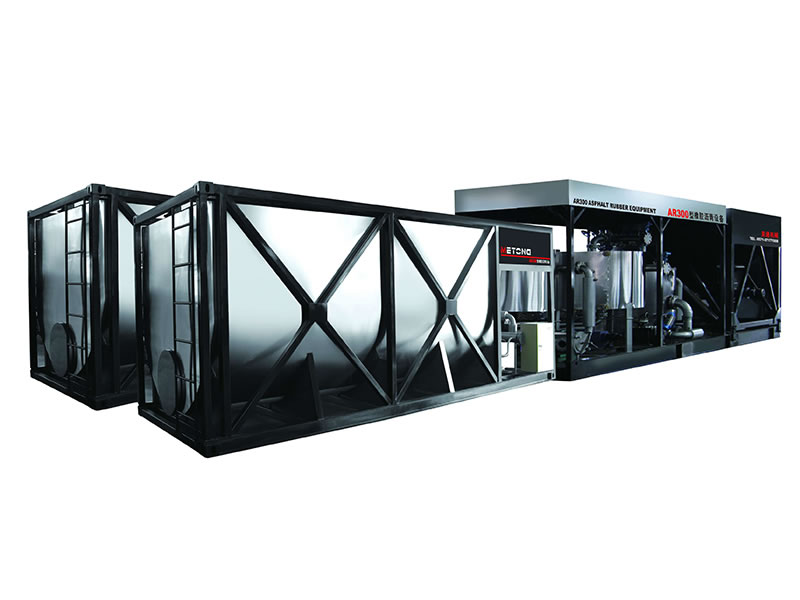
Modified binder is a chemistry problem with a mechanical answer: shear, temperature and time, held consistently from batch to batch.

Density is produced by the order the rollers work in and the temperatures they meet — not by the heaviest roller on site.
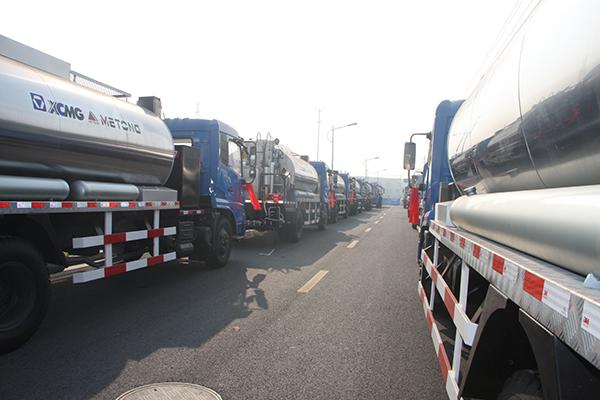
The machine is half the purchase. The other half is documentation, freight, commissioning and a spares plan that survives the first season.
This site does not publish undated marketing news. New editorial content is added only when it can be tied to a real technical question, confirmed project photograph, or a model document.
Notes cover binder rate, chip placement, emulsion mix design, spray-bar control and checklist questions for quotations.
Notes cover batch versus drum selection, modified binder process, dust-control questions, module freight and foundation planning.
Real project photographs, model datasheets, certificates and commissioning notes are added when source records are available; no invented dates, customer names or performance claims are used.
Send the application, the material and the output you need. You will get a configuration proposal with capacity, chassis options and delivery window — not a catalogue page.