An equipment import fails on logistics more often than on engineering. The decisions that matter are made before the order: what ships as a complete unit and what ships as modules, what documentation travels with it, and who is on site when it is first started.
Shipping configuration
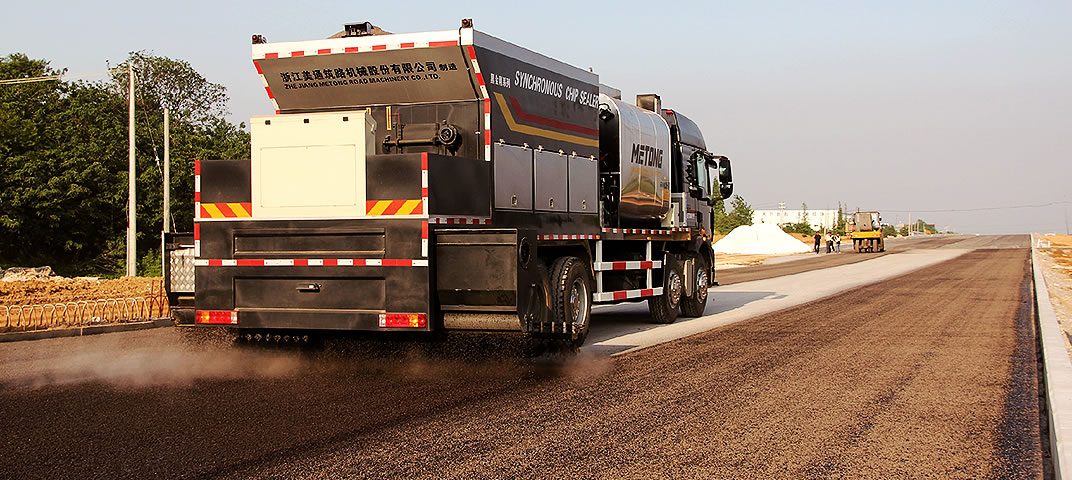
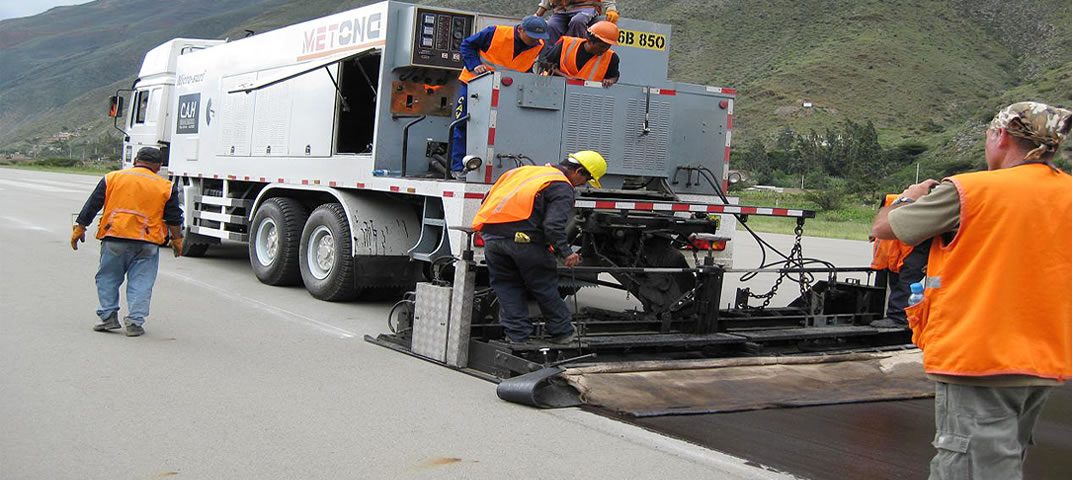
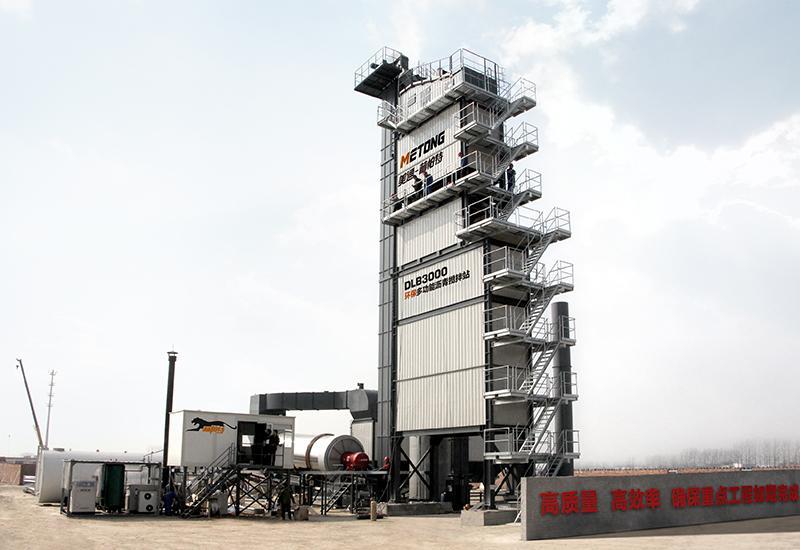
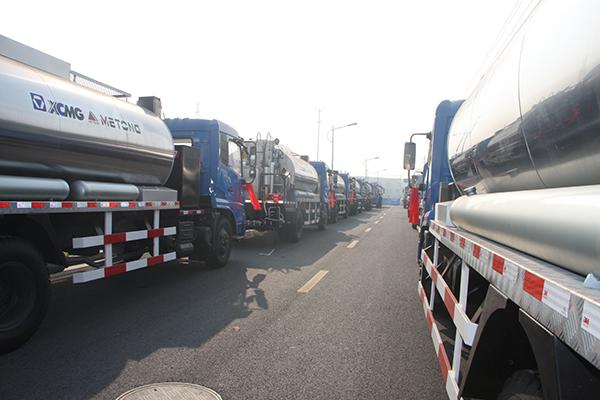
Truck-mounted units usually ship as complete vehicles on a RoRo or in a flat rack; plants ship as container-sized modules. Check the module dimensions and weights against the container and the receiving port's lifting capacity before the layout is fixed. A plant designed without that check arrives as a disassembly problem.
Documentation
Customs classification, certificates of origin, and the technical file — manuals, wiring diagrams, hydraulic schematics, spare parts lists — should be agreed as a deliverable, not requested after arrival. A machine without a parts list cannot be maintained, whatever its quality.
Commissioning
First start-up is where most warranty issues are either caught or created. A commissioning visit that covers calibration of the spray system or the batching scale, operator training and a witnessed production run converts a delivered machine into a working asset. Agree who attends, for how long, and who pays.
Spares strategy
Consumables fail predictably: nozzles, filters, seals, wear plates, milling tools. A first-order spares kit sized against the first season's expected hours is cheaper than air-freighting a seal during a programme. Ask for the recommended kit and its lead time, and check the dealer or regional support arrangement for your market.
Procurement · 6 min read